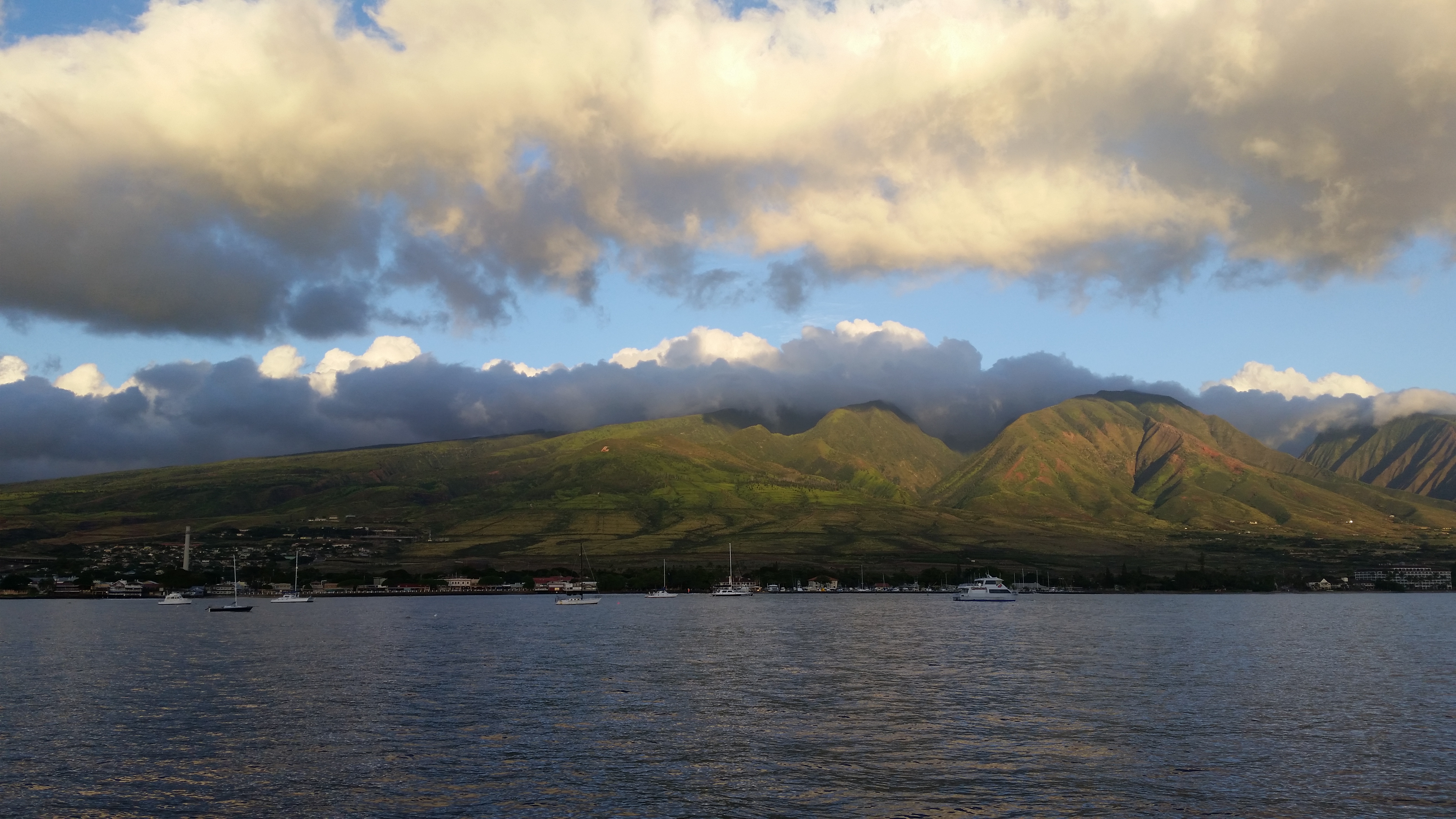
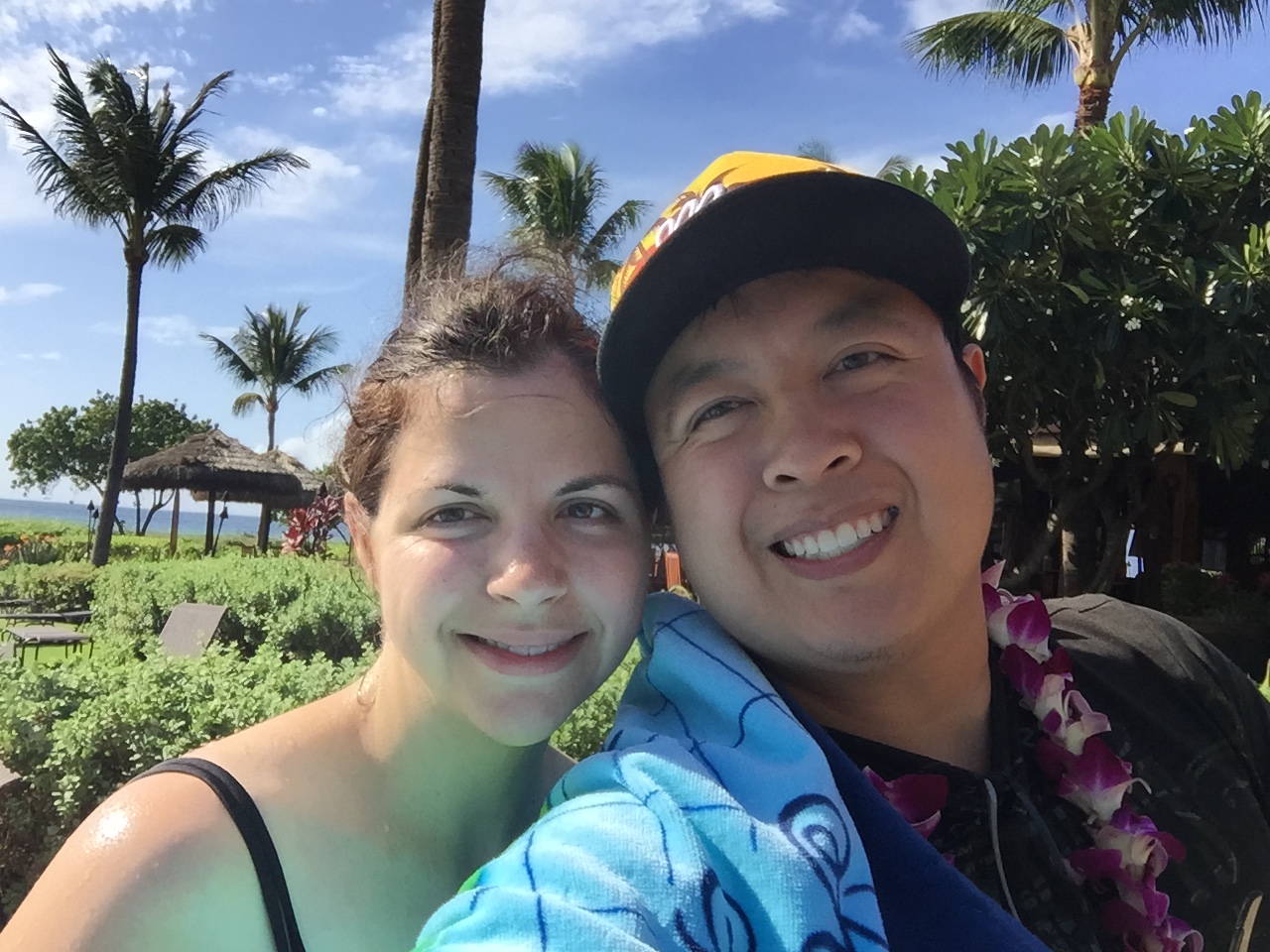
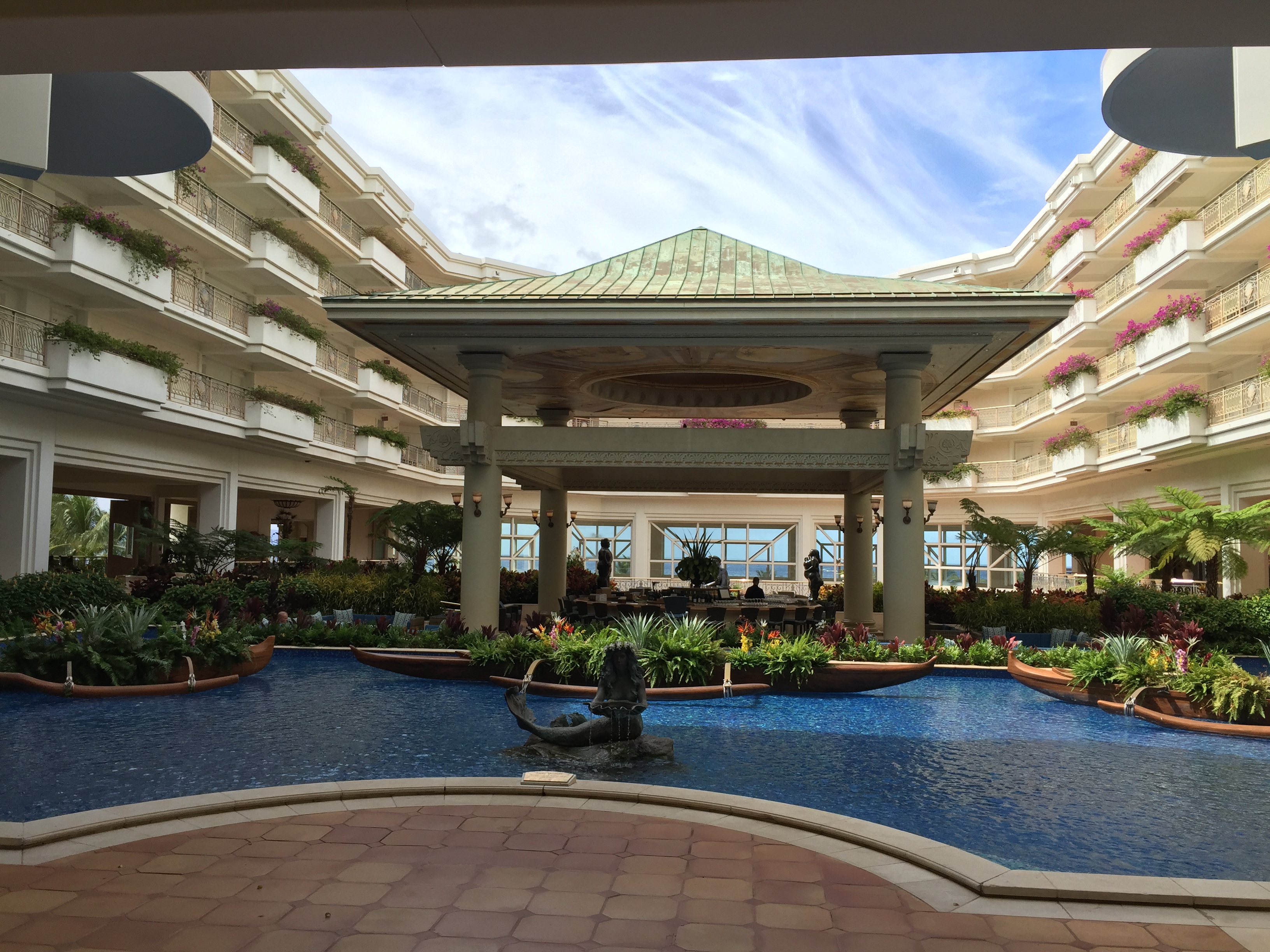
After the adventure portion of the trip, we decided to head to the west side of the island to Wailea and Ka’anapali. The nicest place we stayed was Grand Walea and we enjoyed the resort and the food there. We had also gone to Kihei to explore and found a nice market that was on. Overall, the west side of Maui is quite busy.
Simply Relaxing at the ResortInside Grand Wailea
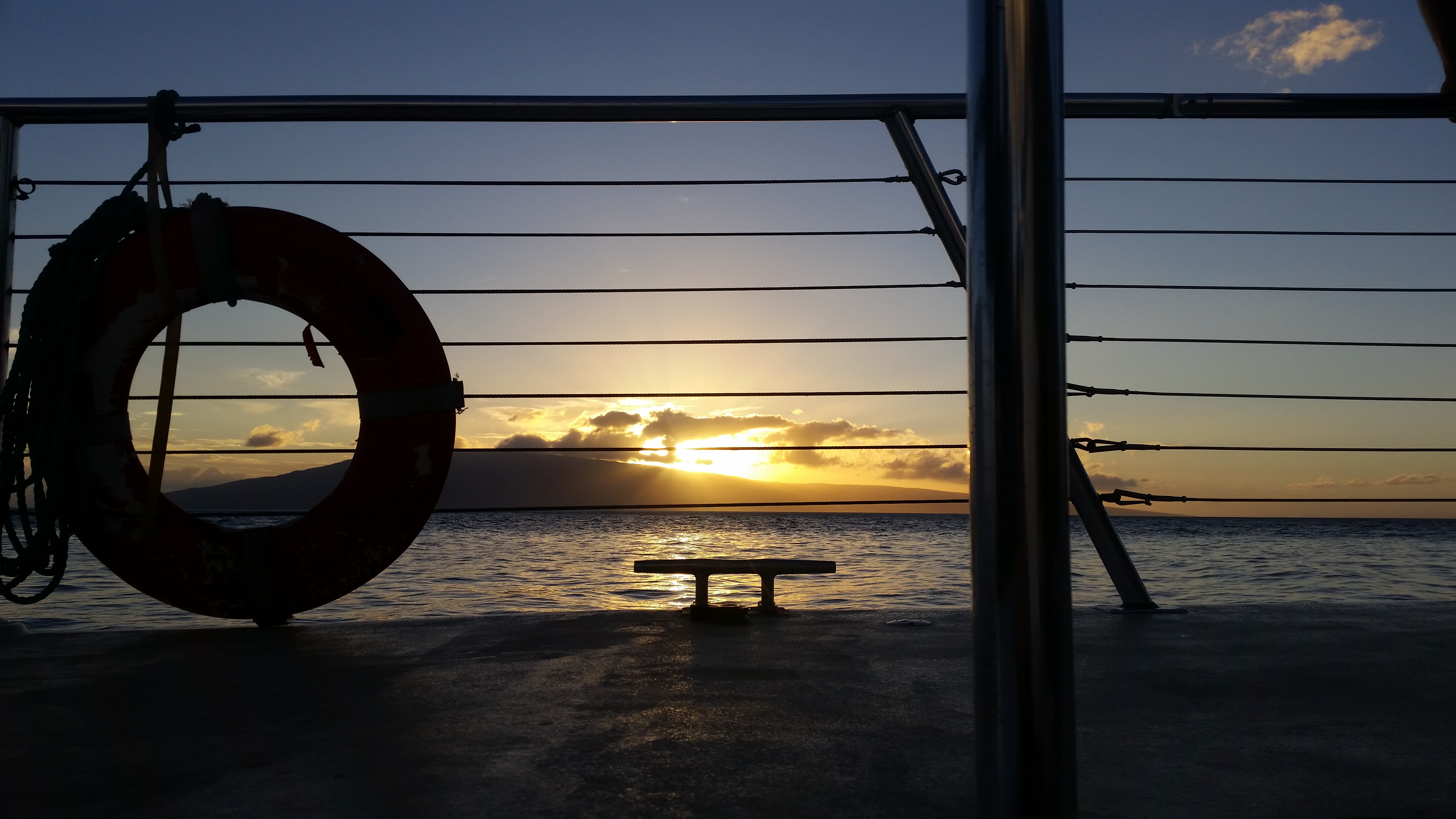
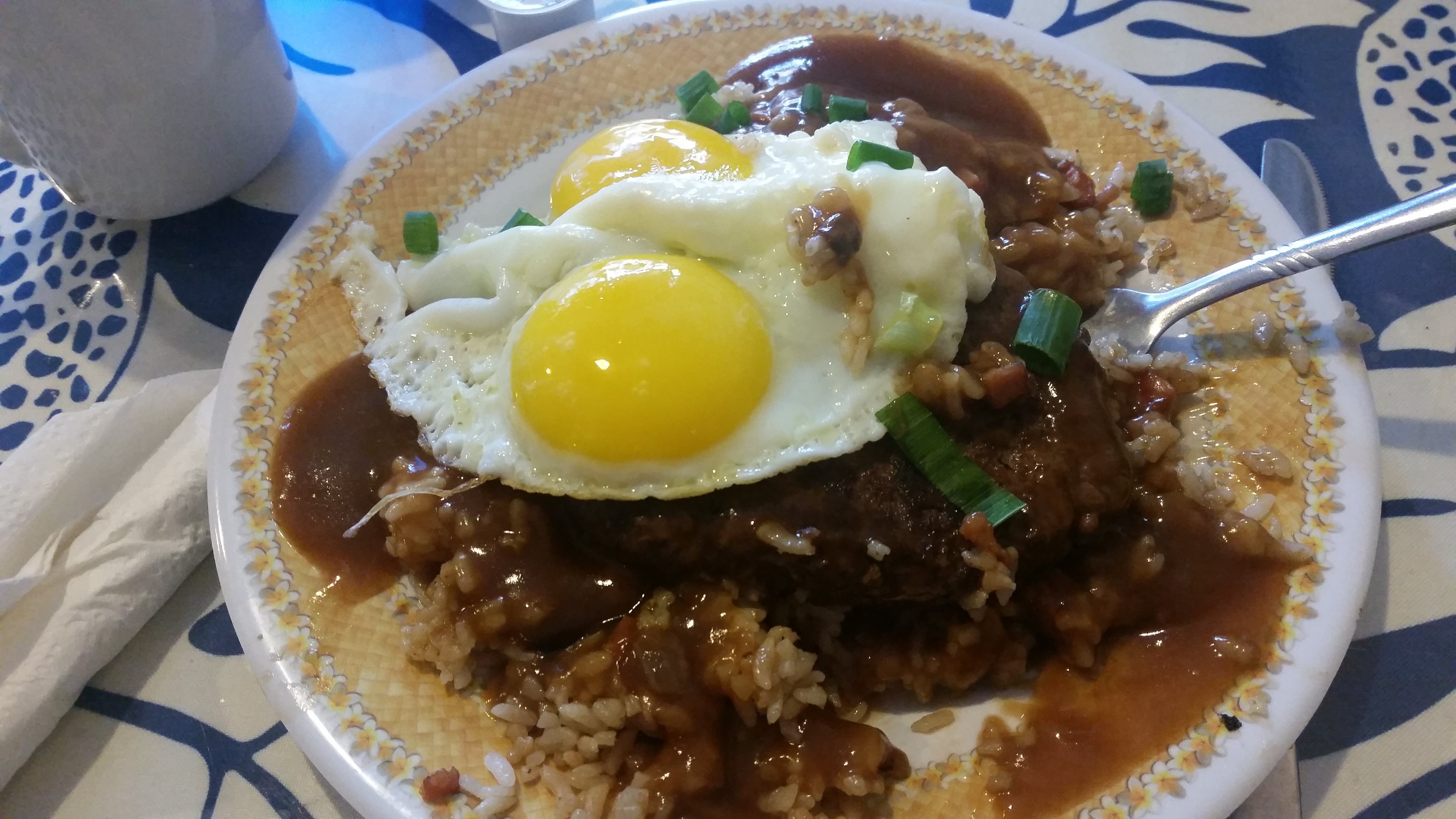
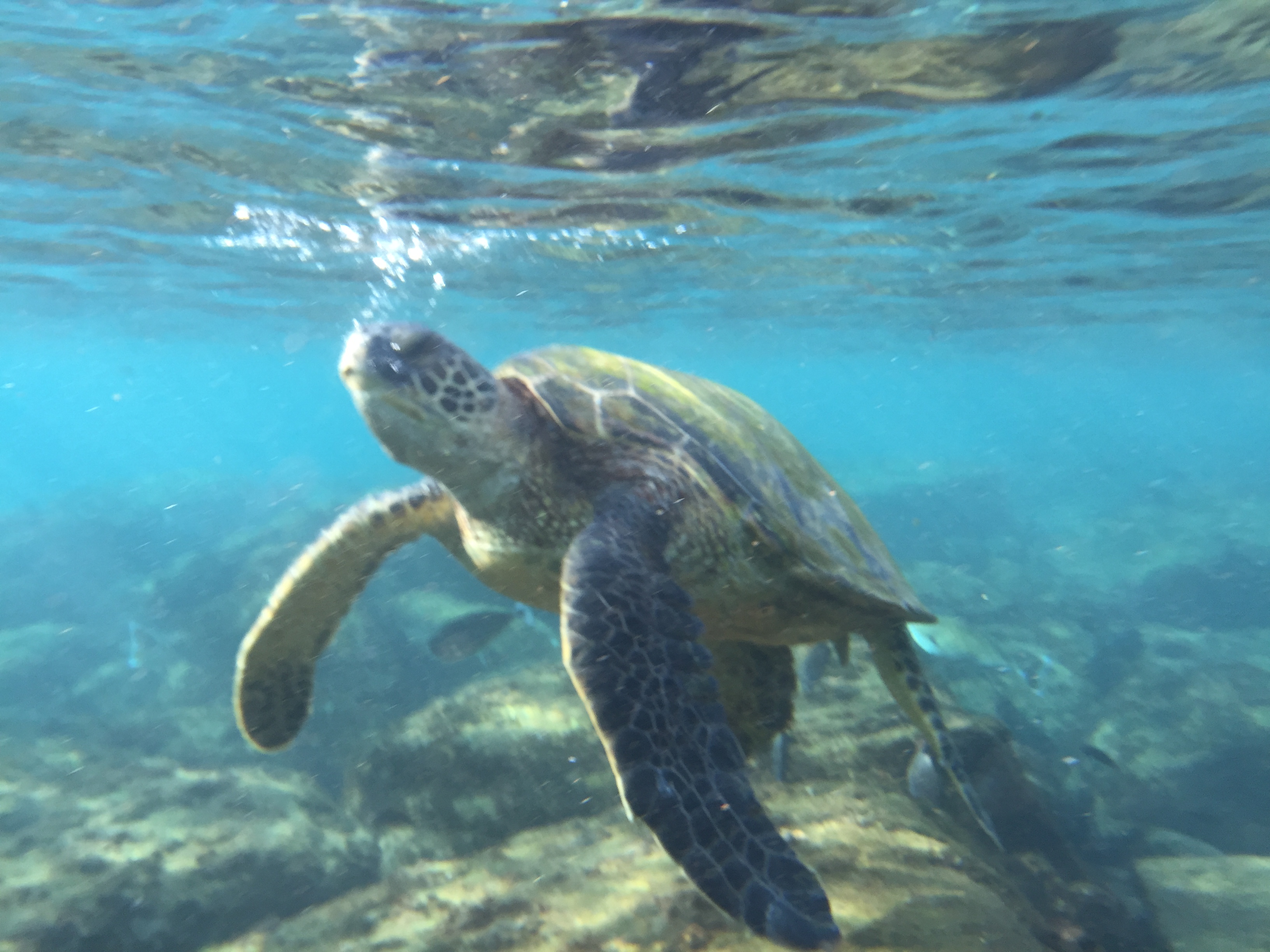
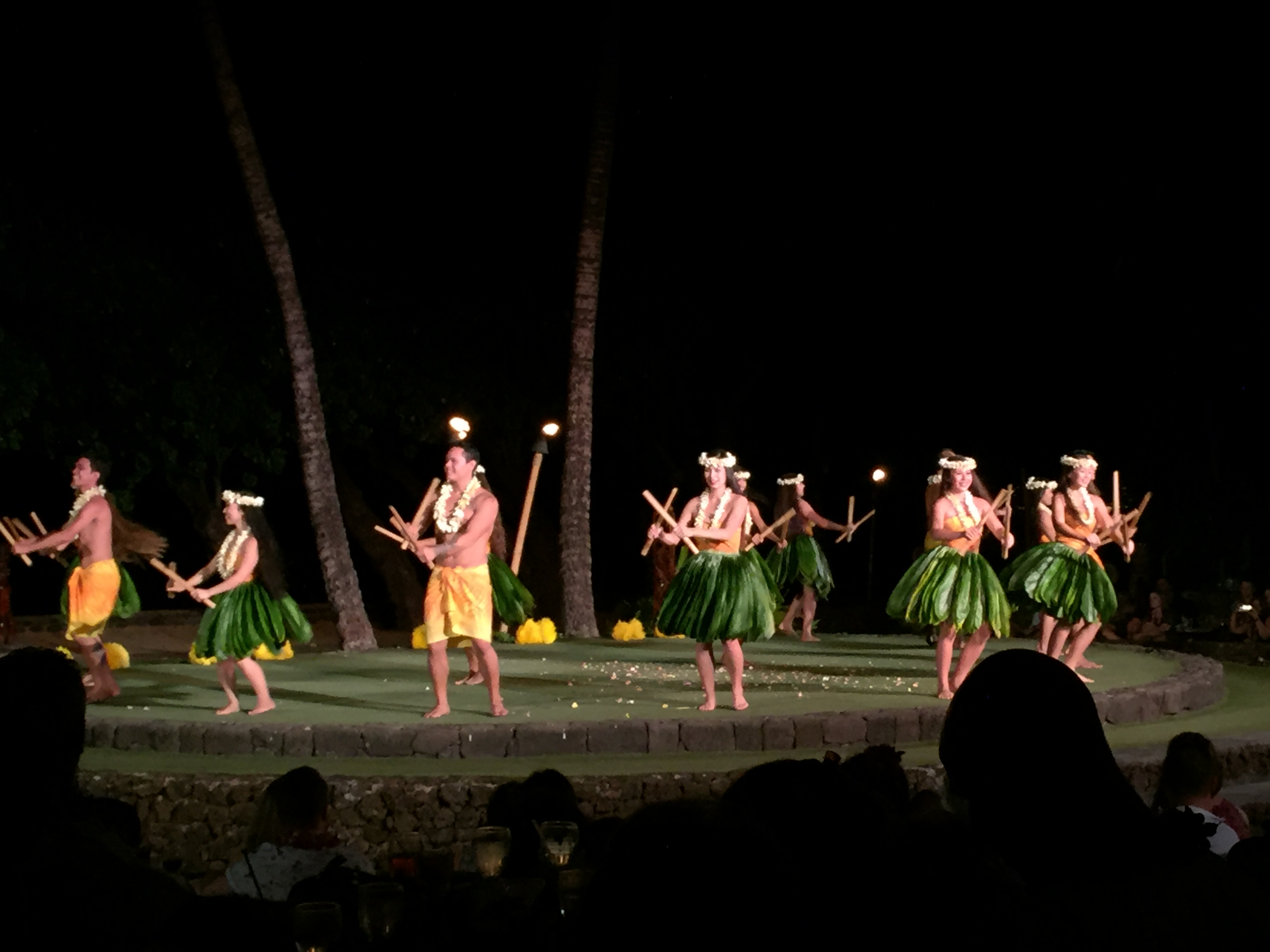
As this side is more commercialized, we did the typical activities. All activities were fun but my favorite was trying to local cuisine, a nice boat ride, and snorkeling. We had rented snorkel gear and were going to the spots recommended. We found turtles at Hanakao’o Park. The Lual we went to was the Old Lahaina Lual and it did not disappoint. Everything was enjoyable and entertaining.
One of the areas that we did not have time to visit that was on our list was Haleakala Crater. I guess that will have to wait till the next time that we are back! If you have a chance, try the shrimp trucks and the fresh poke, which are fresh and delicious.
Relaxing sunset dinner sailThe famous Loco Moco, simply delicious!Snorkeling and watching turtlesOld Lahaina Lual- Great location, food, and entertainment
For our honeymoon in Oct 2016, we had booked a trip to Maui, Hawaii for 7 days. As I am an adventurer and not a beach sitter, I jam packed the week full things to see and do. For accommodations, mixed it up with Airbnb and hotels depending where were were on the island. To get the most fun out of the trip, I recommend renting a vehicle and just go driving around to see things. Below are a list of main spots the areas that we went to:
Kahului- one night at Maui Seaside hotel after arriving at the Kahului Airport
Road to Hana, staying two nights in Hana
‘Ohe’o Gulch for the day
Wailea- stayed at Grand Wailea for 1 nights
Ka’anapali- stayed at Honua Kai Resort for 2 nights
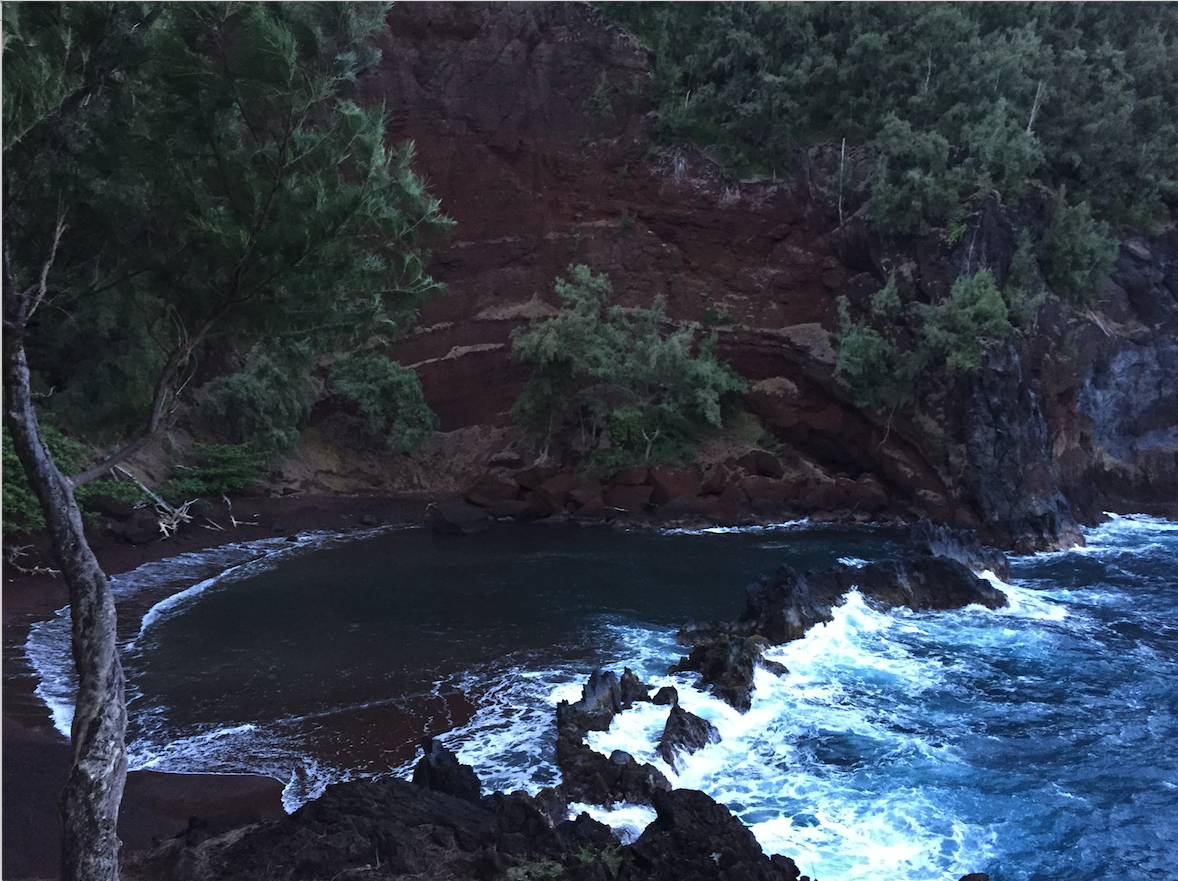
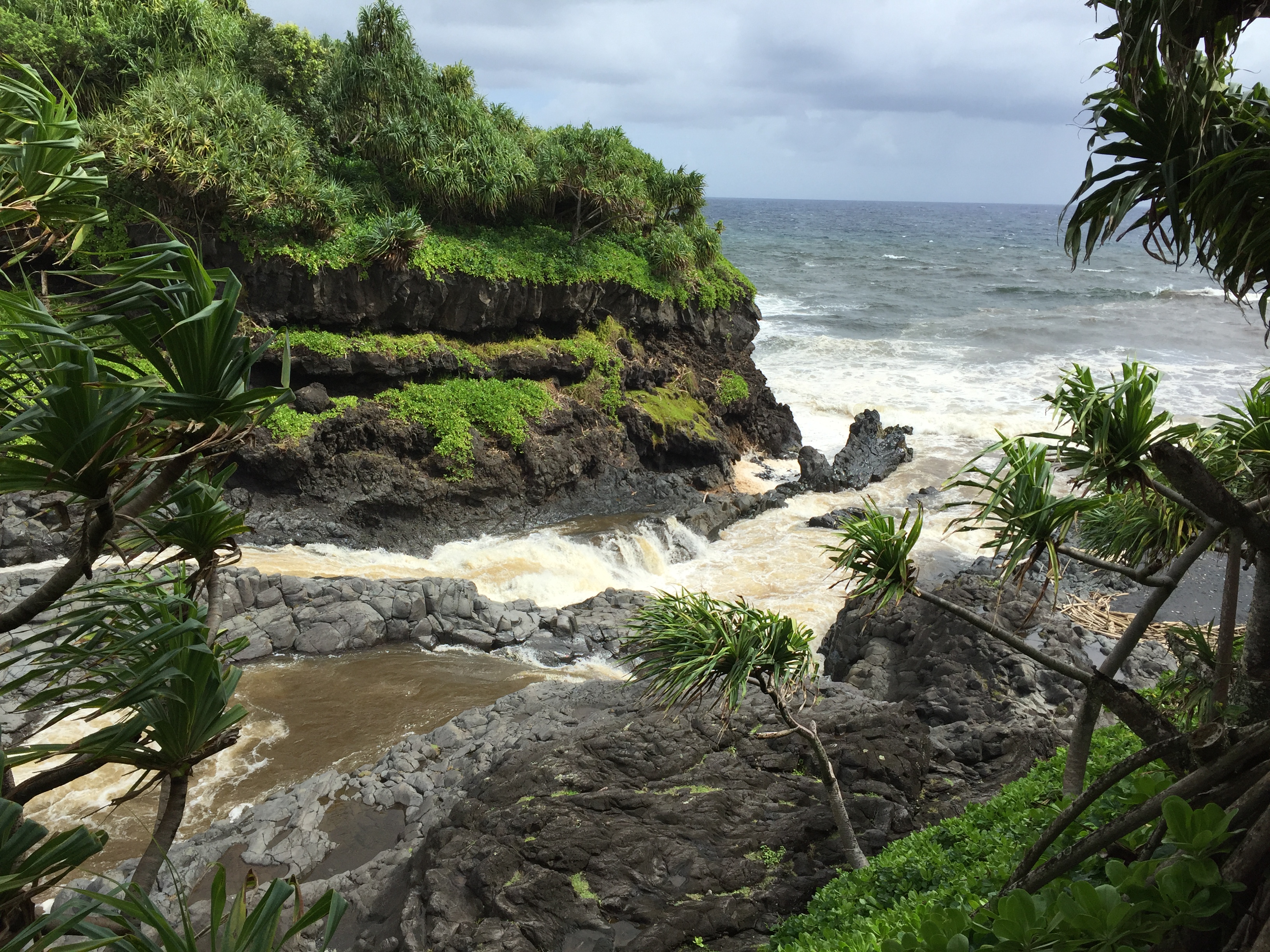
We started our trip heading down to Hana. As it is less of a commercialized area, we ended up renting an Airbnb and packing a cooler full of food so we can eat in. Favorites for that part of the trip was great drive on the Road to Hana. It was pouring that day and as the road is a two lane highway with only one lane widths at some bends, it was interesting drive to say the least. If you are driving down to Hana area, the must see’s are the Black Sand Beach hiand the Pools at ‘Ohe’o.
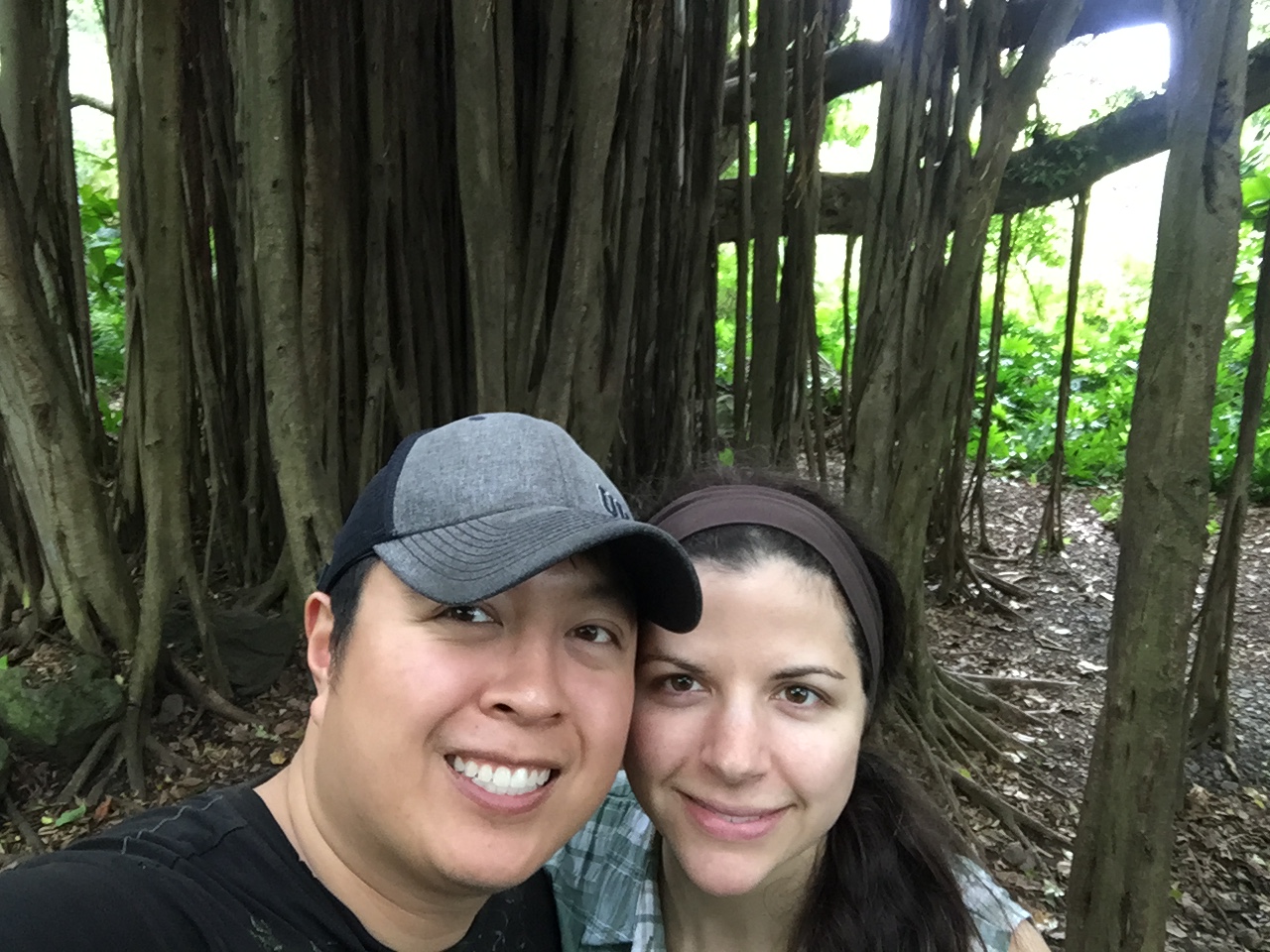
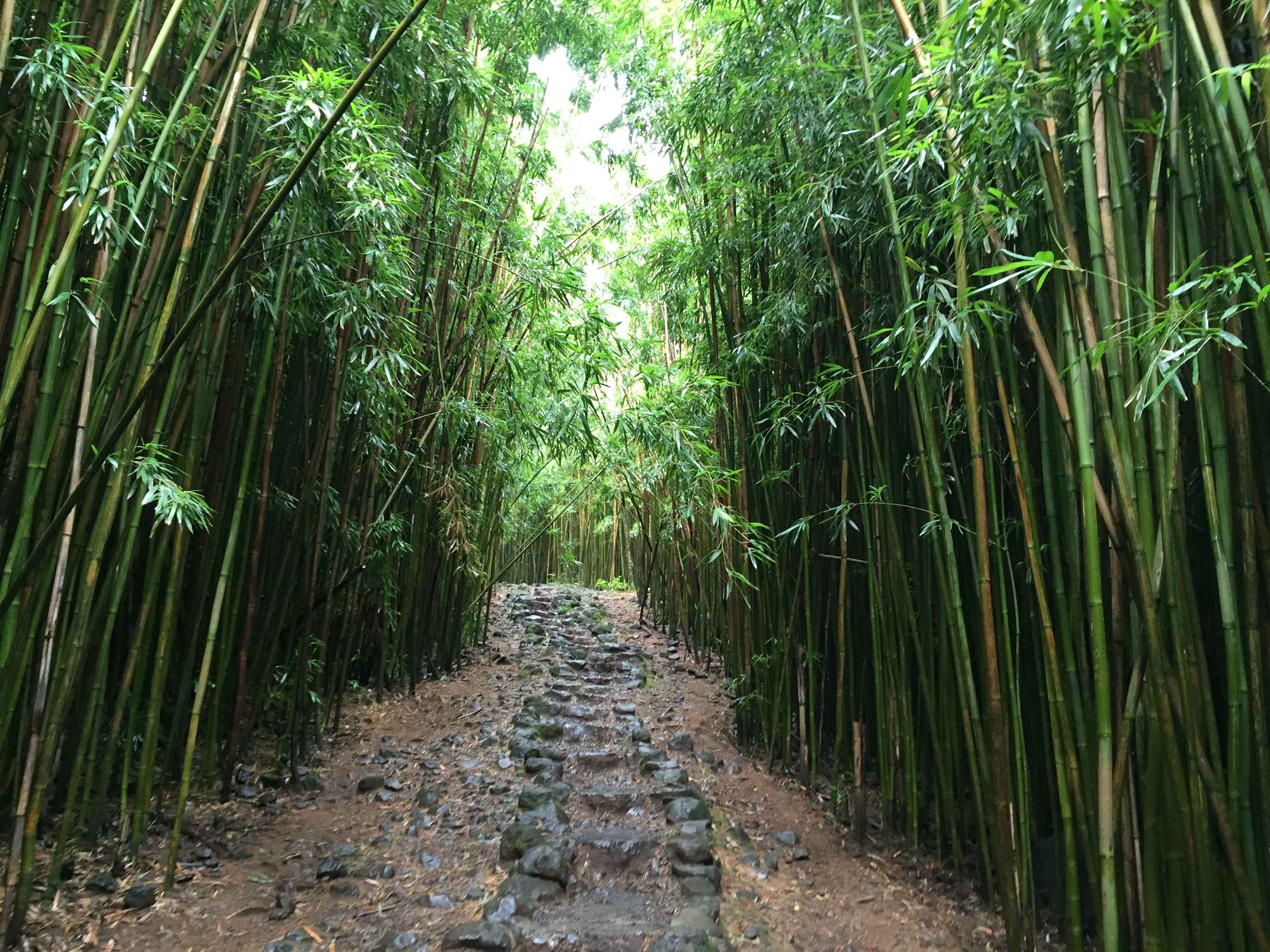
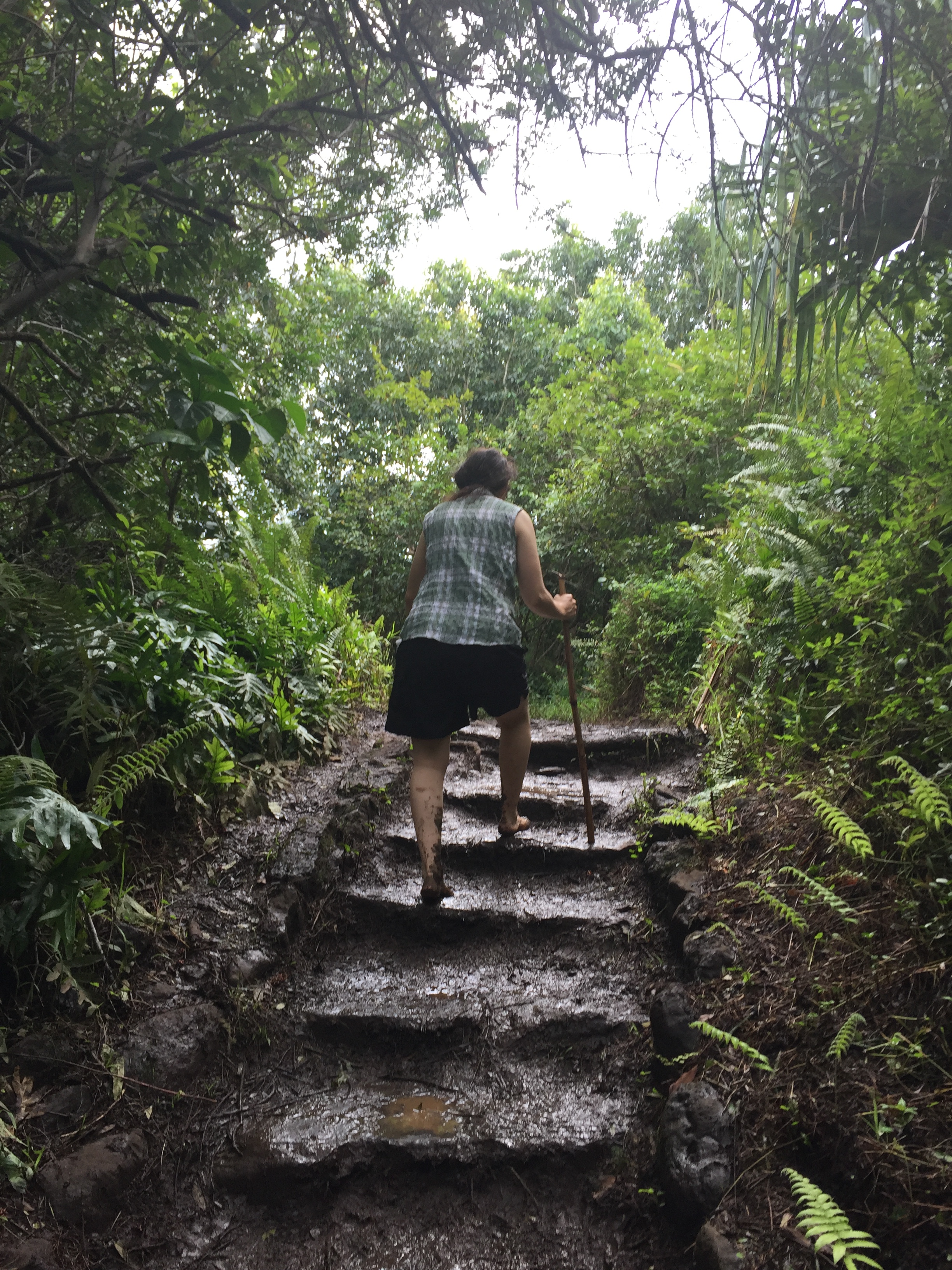
Be prepared for the hike through the bamboo forest at Ohe’o Gulch as it was quite swampy. I ended up taking my sandals off and going barefoot for part of the hike. Well worth it as you can see below.
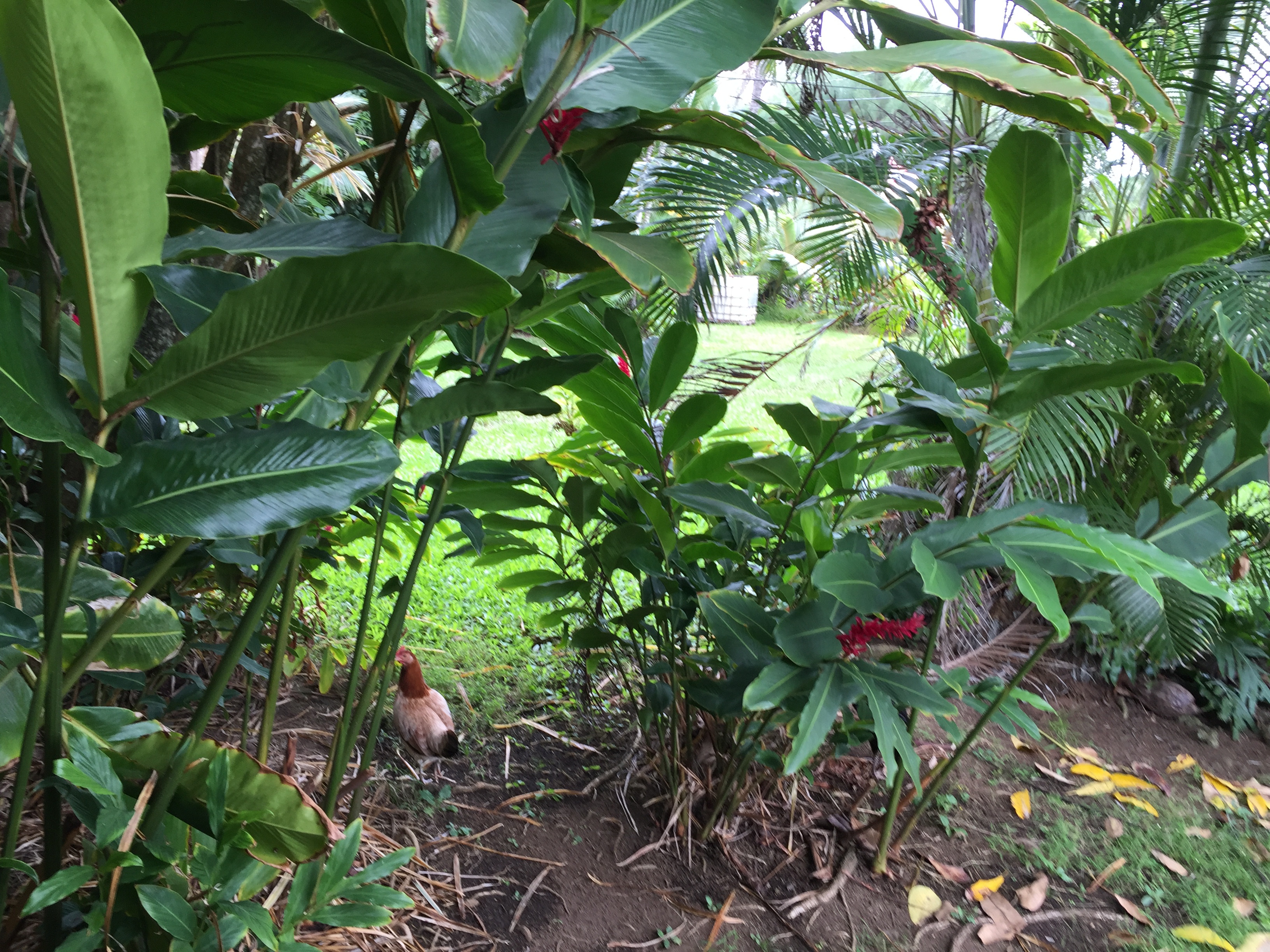
Roosters waking us up in the morning at our Airbnb in HanaBlack Sand BeachPools of Ohe’oBamboo forest Ohe’o GulchTanya with her walking stick to keep her balance for the walk in the Bamboo forest
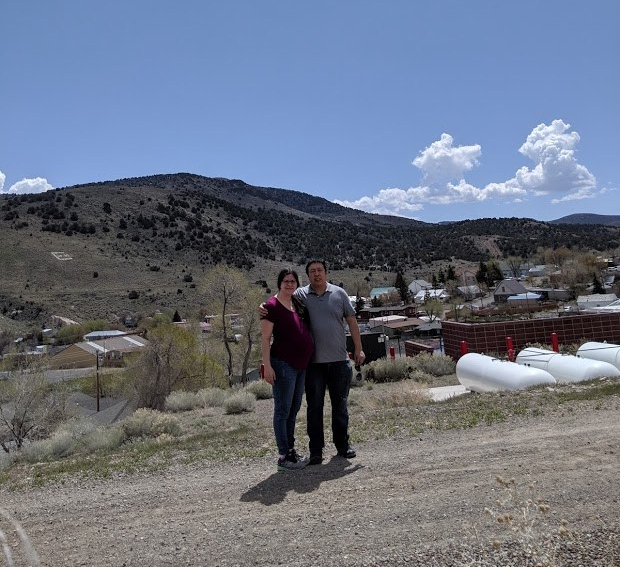
Photo is on a hill overlooking the town in May 2019
Eureka Nevada is a small town approximately 2 hours away
from Elko, that we had visited in both May 2018 and May 2019. We came to Eureka
to compete in the Nevada State Old-Time Fiddler’s Contest that we saw
advertised at the local grocery store.
Eureka Nevada was a town settled by a group of silver
prospectors. There are currently no mining activities in Eureka but the town
still exist. It was said that back in the days the population reached the highs
of 10,000 but currently has a population of 610 people. Visiting, we saw a lot
of history in the town. The fiddle contest was in the Eureka Opera House, which
is a famous landmark of the 1880s. Another landmark is the Jackson House Hotel
which was built in 1877, had a fire in 1880 and over the years, has been restored
and remodeled.
The town is well off because of tax revenue that Eureka County
receives from the huge gold mines on the Carlin Trend. For the town of 610,
there is a nice swimming pool, nice high school with gymnasium and track, and a
nice fire department, which is said to be the 2nd largest in the
state.
We enjoyed our 2 nights in Eureka for both our visits. We placed well in the Nevada State fiddle content. Unfortunately, we did not do the advertised walking tour but walked ourselves around the peaceful town. We hope to go back for a nice weekend getaway later this year. I wished we had taken more pictures of the town as the main street and the historical buildings are nice pictures. A website that has nice history and photos can be found at http://silverstateghosttowns.com/eureka.html.
Tanya and I in from of the Eureka Opera House after competing at the Nevada State Fiddle Contest in Eureka in 2018.Nice swimming pool in Eureka NevadaHigh School Track in Eureka NevadaNice little house we stayed at in Eureka, Nevada
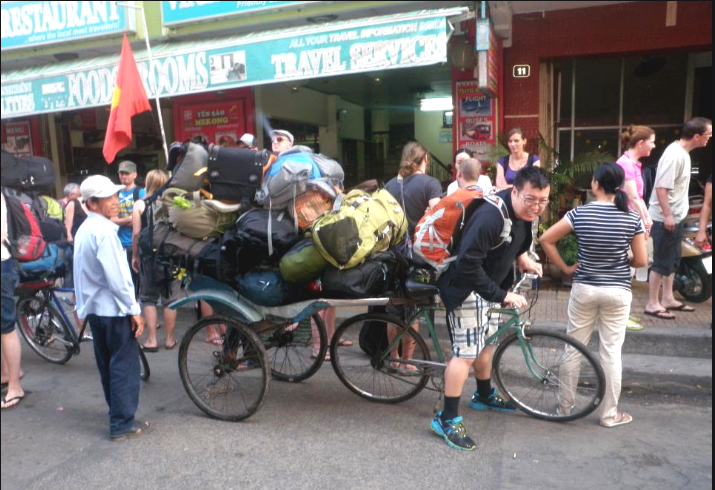
Travelling by bicycle in Ho Chi Minh City, Vietnam
I had recently read a blog by Mike Treks (miketreks.com) on how you catch the travel bug, which I had tweeted. It had me thinking about how I got interested in travelling. On his list, I was the #2, “You have an experience that makes you realize you have it”. Born in Toronto, Ontario, I came from a family that did not go on vacations. My extent of travelling growing up was to swimming competitions around the Ontario region. I was lucky to be a talented swimmer and I was able to compete in other provinces and represent Ontario, competing in several competitions in the United States.
I started my university career at the University of Toronto in Mineral Resources Engineering. I did not come from a mining family but was interesting in mining engineering. I had pictured my career, working at a consulting engineering firm in Toronto or on Bay Street at a securities firm. I had worked summers internships at both places. My plan was to stay in Toronto like the rest of my friends and build a life there. Little did I know that in 2003, the summer in the Juneau Icefield, Alaska would change my mindset about exploring life outside of the Greater Toronto Area (GTA).
That trip had many firsts. First-time travelling alone. First-time time travelling for several months and living out of a backpack. First-time on cross-country skiis. First-time on an expedition. I had enjoyed planning the trip and was working on tying in a few other trips as well. The research program started in Juneau Alaska and I had to get there. Instead of flying directly to Juneau, Alaska, I decided start my journey a week ahead of time with several detours along the way.
As I was on a budget, I did my research, trying to make things work out. My route from start to finish was the following:
–Flight from Toronto, ON to Edmonton, AB (staying and meeting up with friends and visiting the west Edmonton Mall) –Flight from Edmonton, AB to Whitehorse, YT (stayed in Whitehorse for a few days) –Train (White pass) from Whitehorse YT to Skagway, AK (stayed in Skagway) –Small Plane flight from Skagway, AK to Juneau, AK. –Skied and hiked Juneau Icefield with the Juneau Icefield Research Program finishing in Atlin, BC –Greyhound bus ride from Atlin, BC to Edmonton, AB (Stayed in Edmonton and visited downtown)- this was a tough 24 hr bus ride! –Flight from Edmonton, AB to Toronto, ON
After the trip, I had realized that there was much more for me see and do. I seized the opportunity to complete my studies and mine internships in Sudbury, Canada. I was given the opportunity to complete a masters internship in Sweden and travelling to many places and adventures while in grad school, which included Egypt, Australia, and New Zealand. Moved to Campbell River, BC for a new job and met the love of my life.
Today I live in Elko, Nevada with my wife and 2-week old son, Timothy, planning our next travel adventure. I thank God for the many blessings.
I had a chance to live in Kiruna, Sweden for a few months when I participated in a graduate exchange, studying at Luleå Institute of Technology for a term. For part of the graduate course I was completing, I worked on a ramp development project at Kirunavaara Mine (LKAB), which is the largest underground iron ore mine in the world.
Kiruna is the most northern town in Sweden approximately 200km north of the arctic circle. Being from Canada, I felt right at home when I visited in the heart of winter. Well, not exactly right at home. The climate was similar during the winter (cold) but as the city was north of the arctic circle, there was little sunlight during the day in January and February.
Picture of the Kiruna Stadshuset (city hall) taken by David Cheung. This building is no more after relocation of the city. The clocktower was moved.
Dog Sledding is a popular activity in Kiruna, Sweden. Picture taken by David Cheung
What is interesting about the city is that mining is the backbone of the city. In the early years, they had built the city close to the mine and as mining progressed, there was surface subsidence, which made the city impossible to maintain in its present location. As mining operations could not be moved and too valuable. The mining company decided to move the city instead! Some historical buildings are to be moved. The rest will be rebuilt. This move was started and the first phase of the new city center should be ready this year (2019). The company LKAB projected that the move will cost around $1 billion.
The culture was different in a way. Overall I found the people friendly and laid back. People worked hard, but tried not to stress too much and worked overtime if necessary. During the day, there were breaks called “fika” which were at 10am and 3pm which all employees gather in the room to socialize for a coffee break, which promotes better productivity and the wellbeing of the employee.
I hope to re-visit Kiruna in the near future and see the new city. Below are some photos of the famous ice-hotel taken in 2008. The rooms of this hotel can be toured during the daytime and booked for night stay. Each room has a different theme.
If you had enjoyed my blog and would like to be updated on my upcoming blogs, follow me @davidjcheung on Twitter.
One of my favorite adventures was when I was part of the expedition team of 45 students and staff traversing the Juneau Icefield with the Juneau Icefield Research Program in 2003. The research program covers geological and glaciological studies in the Juneau Icefield. Throughout the two-months, the expedition team hiked and skied 75 miles/120 kilometer from Juneau Alaska to Atlin, British Columbia. There were 4 main camps that we stayed at on the Juneau Icefield.
Skiing between Camps in July 2003 taken by David Cheung
Skiing and Hiking to Camp 10 taken by David Cheung
Throughout the 2-months, several geological and glaciological studies were completed including glaciological surveys, mass balance testing, meteorological monitoring of the different glaciers. One of my favorite memories as safety training where we had to rappel into and ascend out of a crevasse. I did not have much experience in climbing but with the training I was able to complete the task.
Picture taken from inside the crevasse by David Cheung
One of my main projects for the summer was to conduct test to determine the sub-glacial topography of the Vaughan-Lewis and Llewellyn Glaciers. We had used the method of seismic refraction and with this method we had placed geophones connected to a seismometer to measure refraction of the different layers.
I am placing geophones at specific intervals for seismic refraction testing
Below are some pictures taken during the two month expedition. If you ever have a chance to travel to the Juneau Icefield, the area is breathtaking. Other than the Juneau Icefield Research Program http://juneauicefield.org/, there are also other skiing/trekking tours and helicopter tours to the Juneau Icefield as well.
Camp 18 overlooking the Gilkey Trench taken by David Cheung
Photo of Camp 9, one of the small camps on top of a nunatak taken by David Cheung
Juneau Icefield Sunset taken by David Cheung
Another Juneau Icefield Sunset taken by David Cheung
Photo by Tanya Renaud taken June 7, 2019 in Elko, Nevada
Hello World!
This is my first post. My wife Tanya and I are both Canadians, currently living in the US. I have always loved traveling and seeking new adventures. I have started this travel blog to share my experiences for areas that I have visited. I will share stories of adventures and recommendations of new exciting places.
The most important item that you need to keep secure is your passport. When traveling, most items can be replaced, but replacing a lost or stolen passport mid trip will cause big headaches leading to missed flights and possibly a trip to the embassy.
In 2008, I had a lucky but frustrating experience at the Frankfurt, Germany Airport. I had travelled all day by train to get to the airport from a friend’s house in Diedorf, Germany. While on my way at the airport to check-in for my Stockholm flight, I had dropped my passport. I was not able to check-in for my flight and was told that I needed a temporary visa in order to continue my trip. With all my luggage, I rushed to the police station in the airport to declare a lost passport and obtain a temporary visa. This process took over 1 hour and by the time I had returned to check-in, they had closed the gate.
I had accepted that I needed to book a new flight but the next flight to Stockholm, Sweden was in 3 days. Reviewing my options, I decided to fly to Gothenburg, Sweden and then find a connection to Lulea, Sweden which was my final destination. At the end, things had worked out but at a high cost with several new flights booked. Also, why I had written that I was lucky was that someone had found my passport at the airport and turned it in. I had my passport returned to me prior to boarding my flight in Frankfurt.
This experience has made me a more conscious traveler. To be smarter where I store my passport and important items.


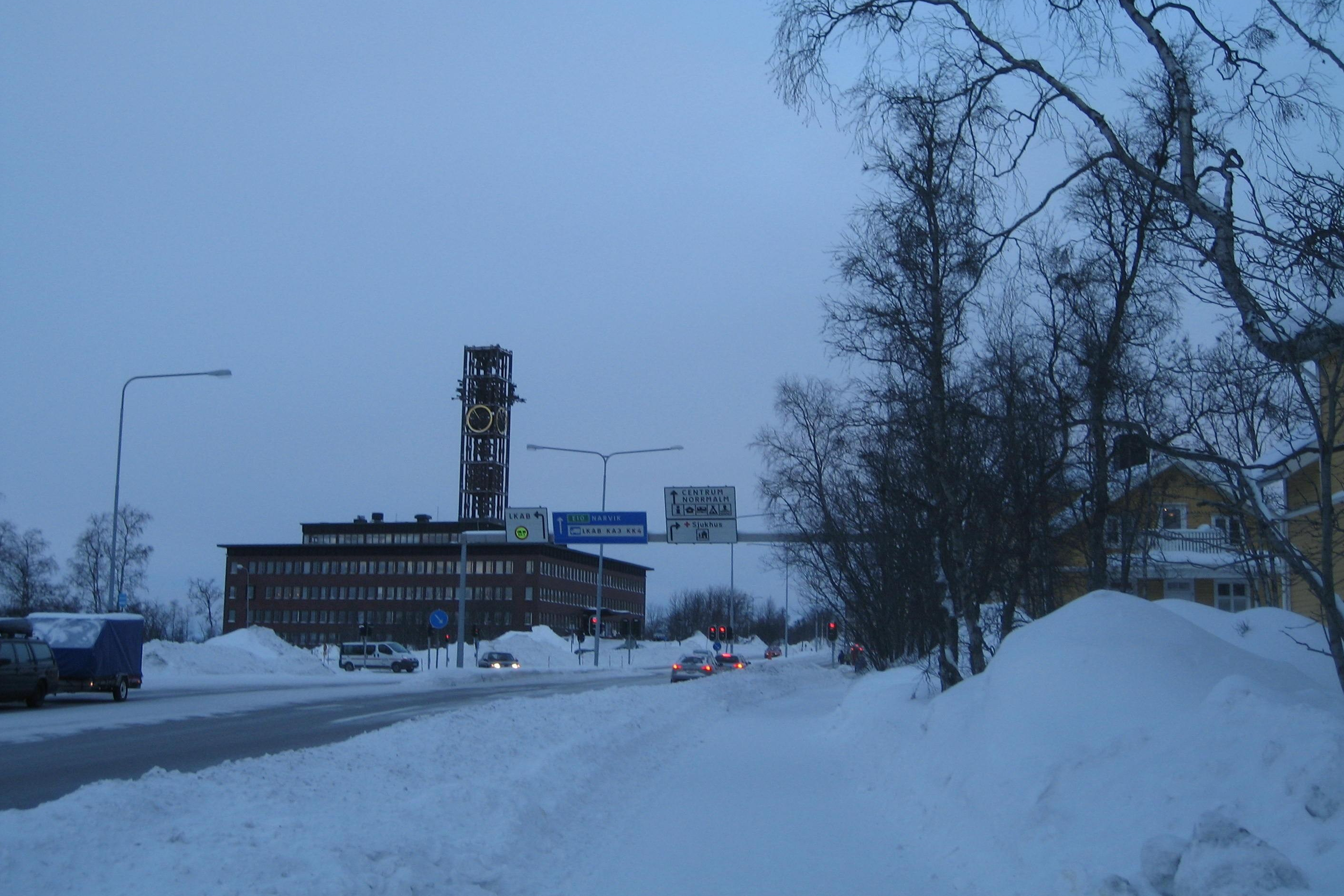 Picture of the Kiruna Stadshuset (city hall) taken by David Cheung. This building is no more after relocation of the city. The clocktower was moved.
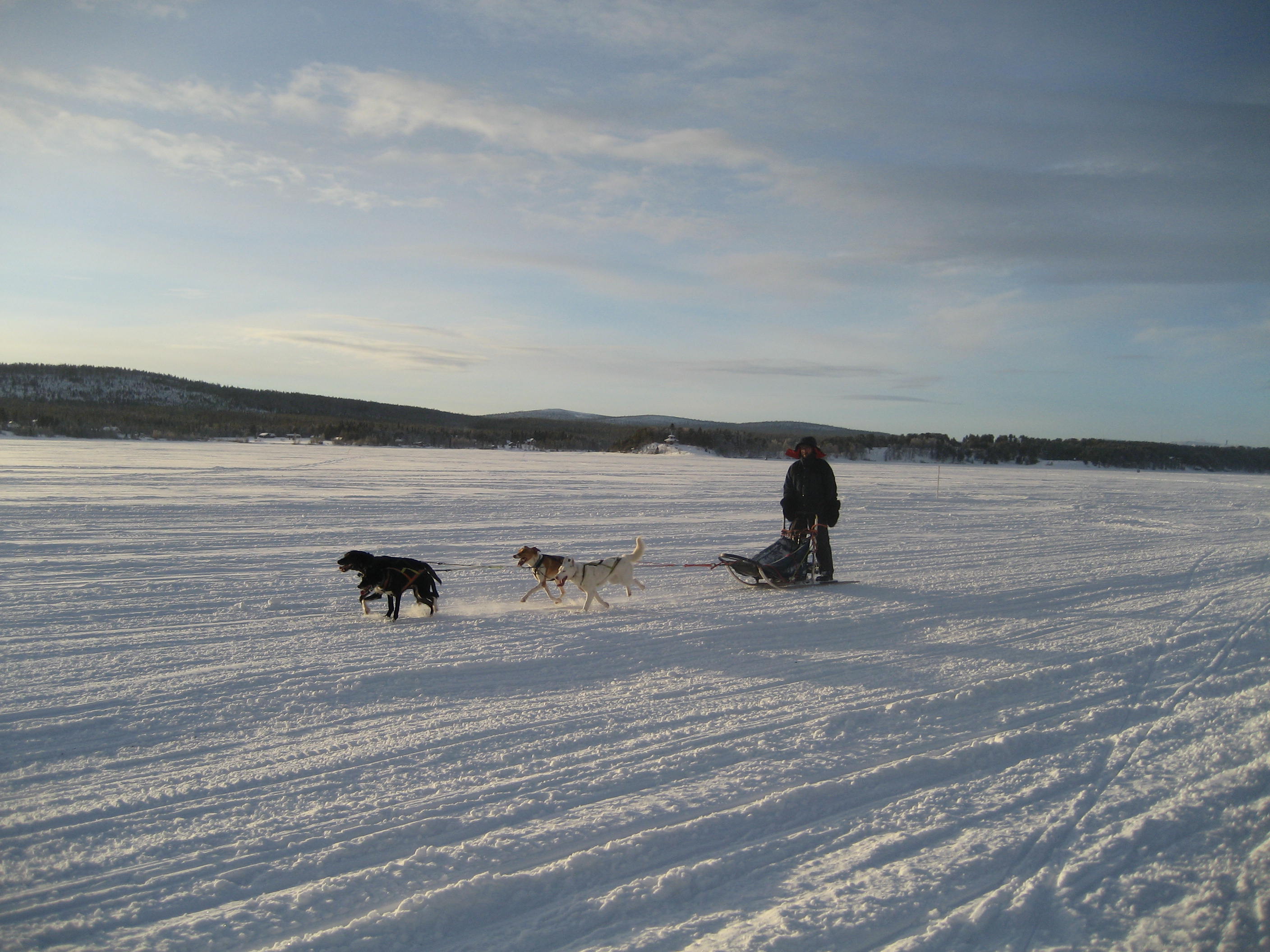 Dog Sledding is a popular activity in Kiruna, Sweden. Picture taken by David Cheung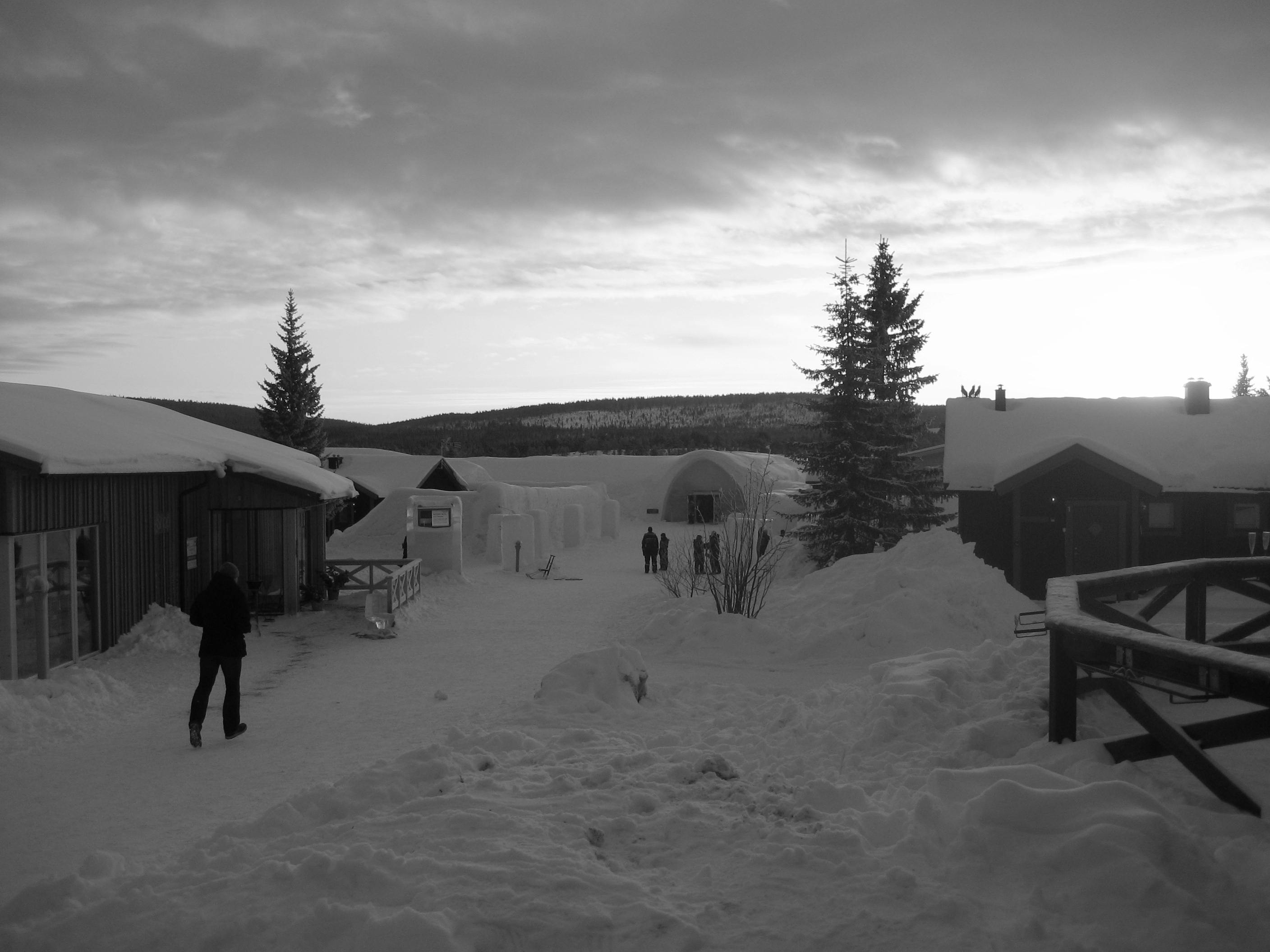
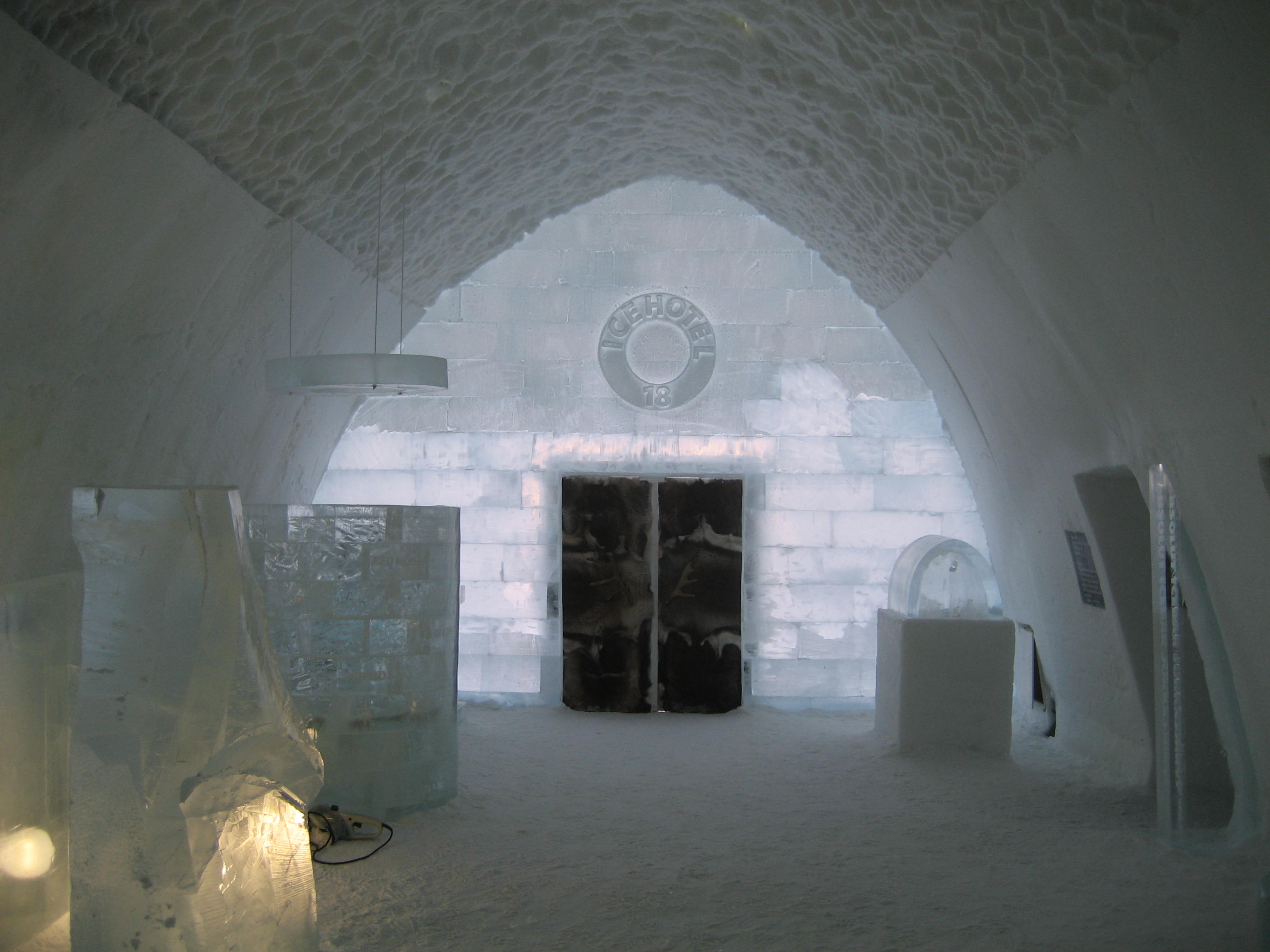
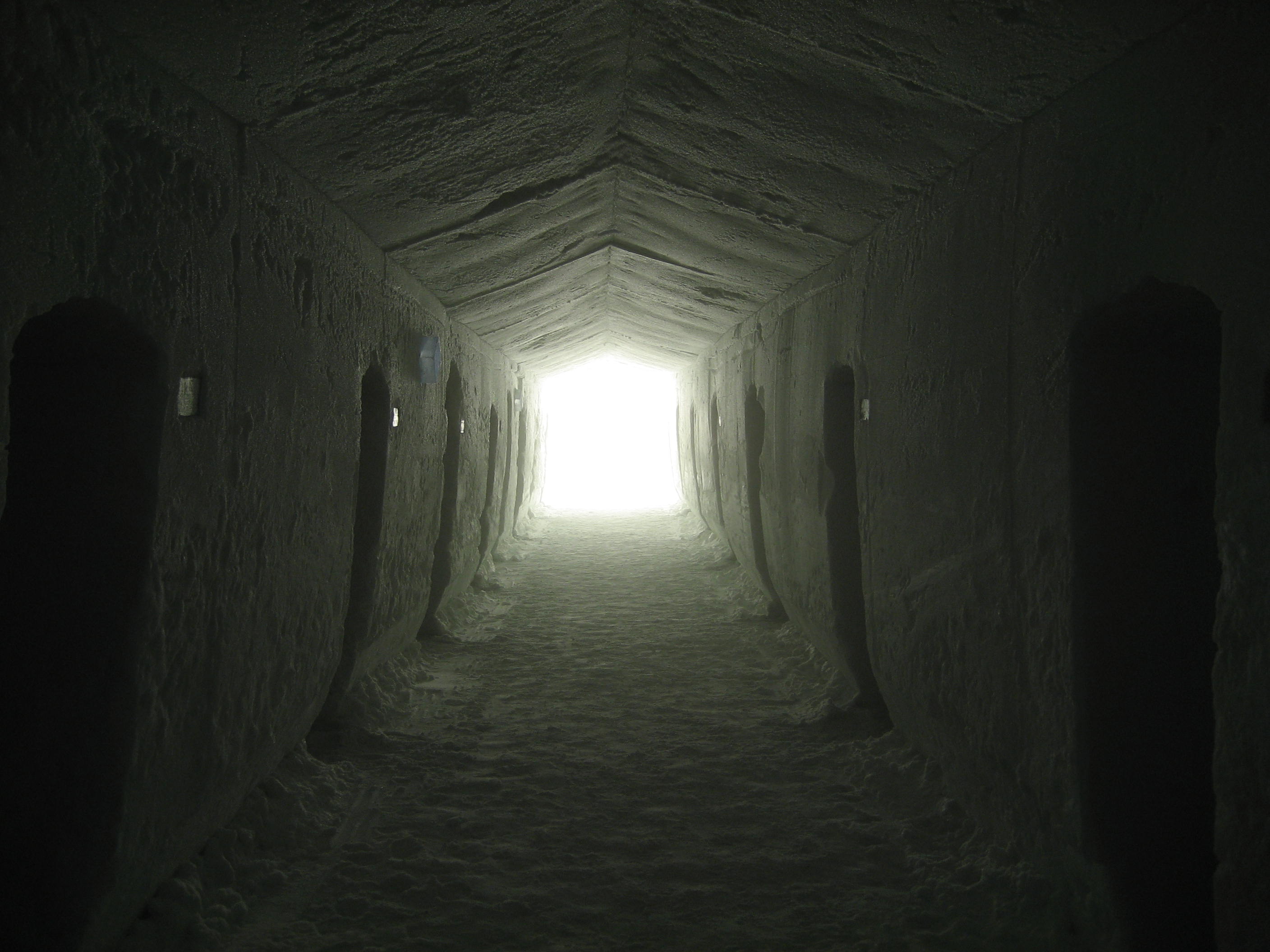
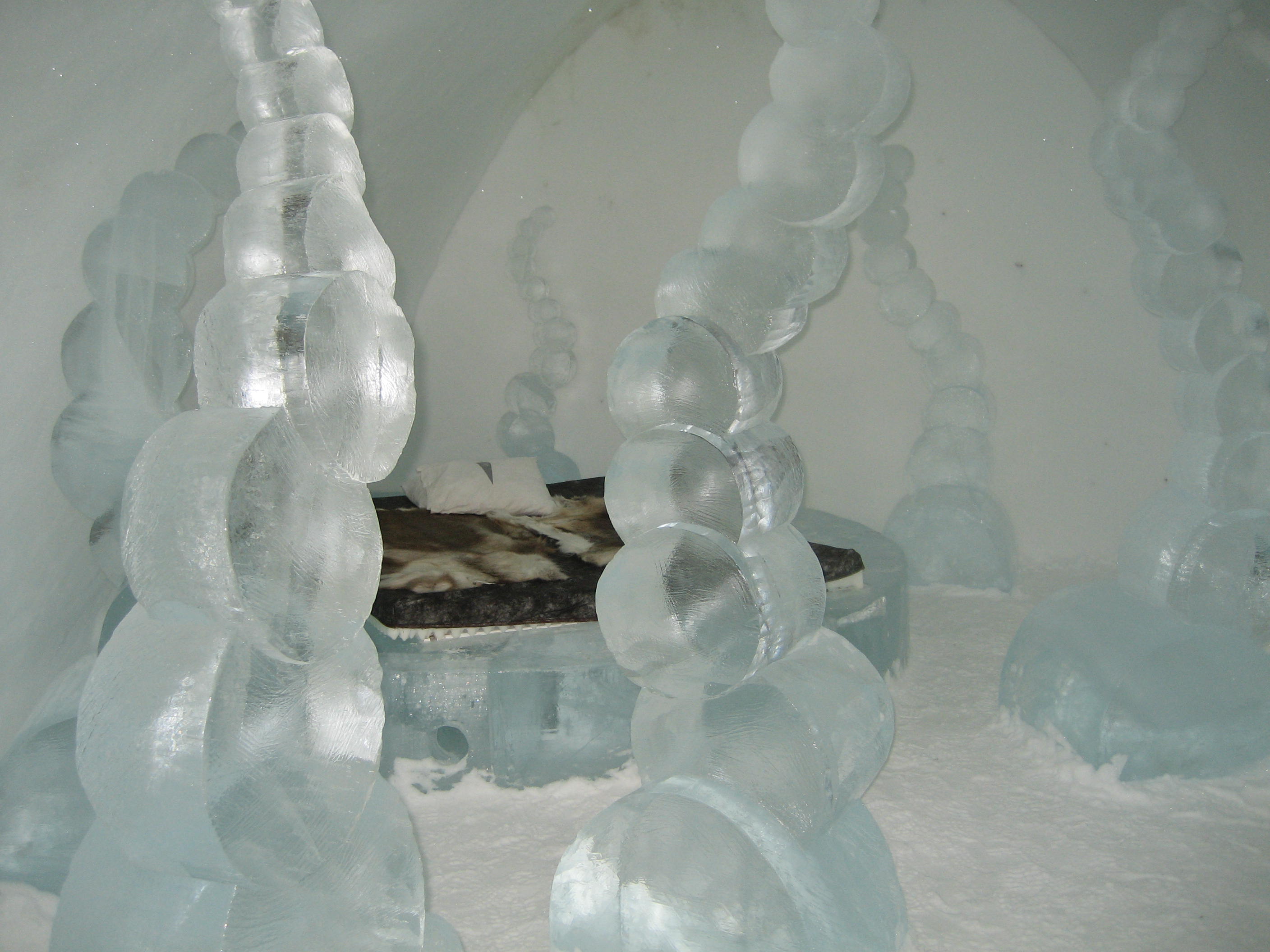
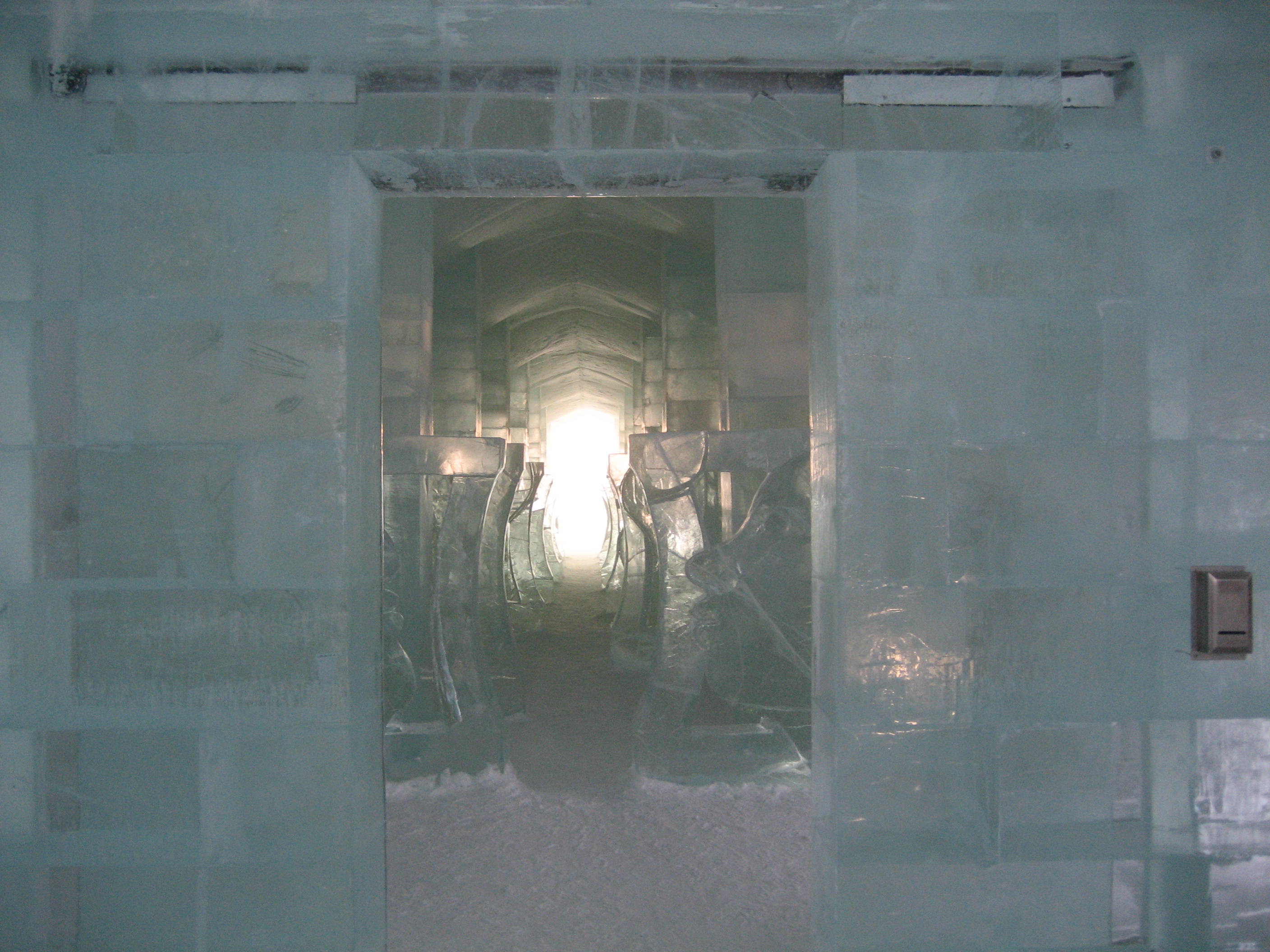
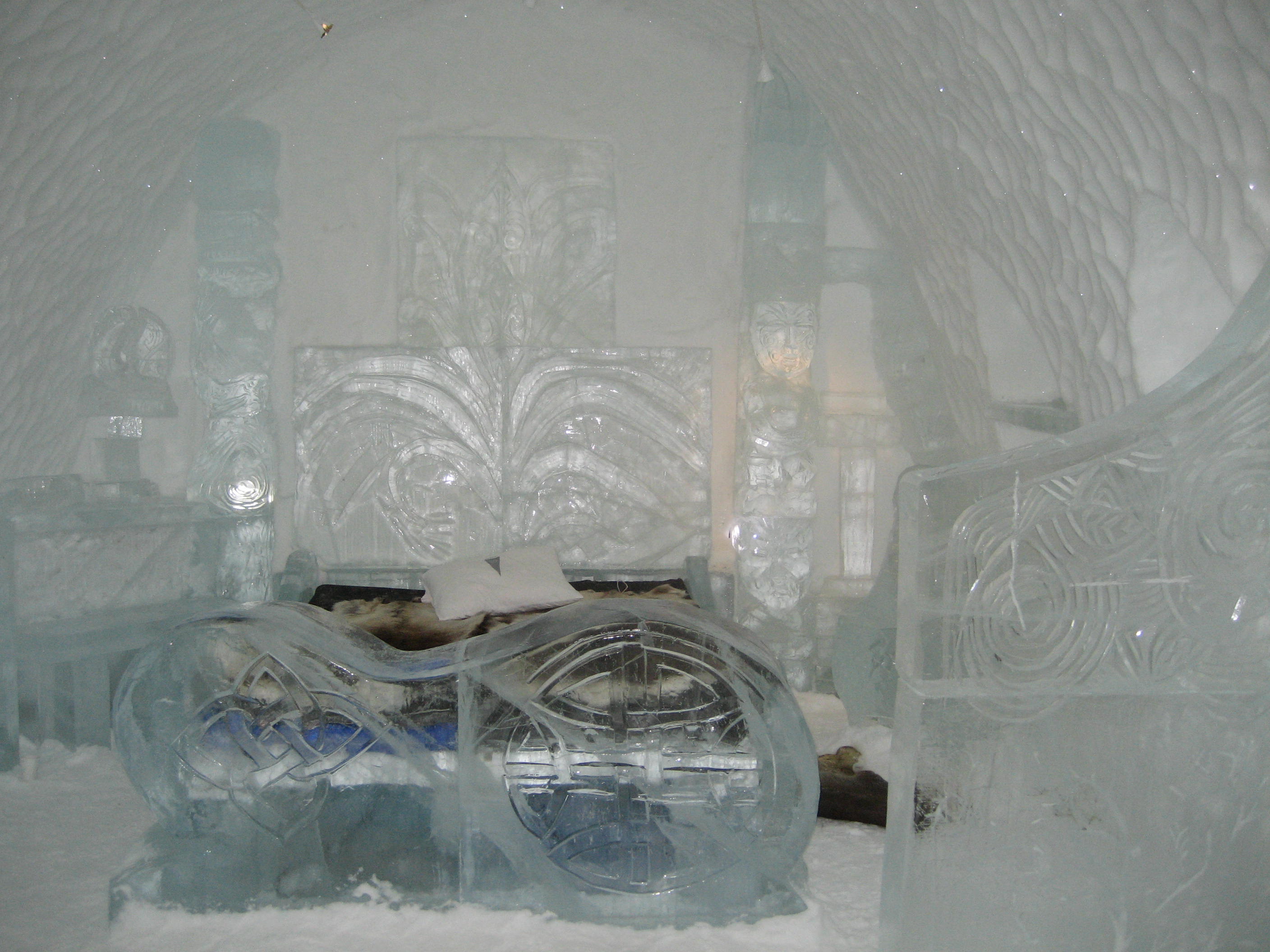
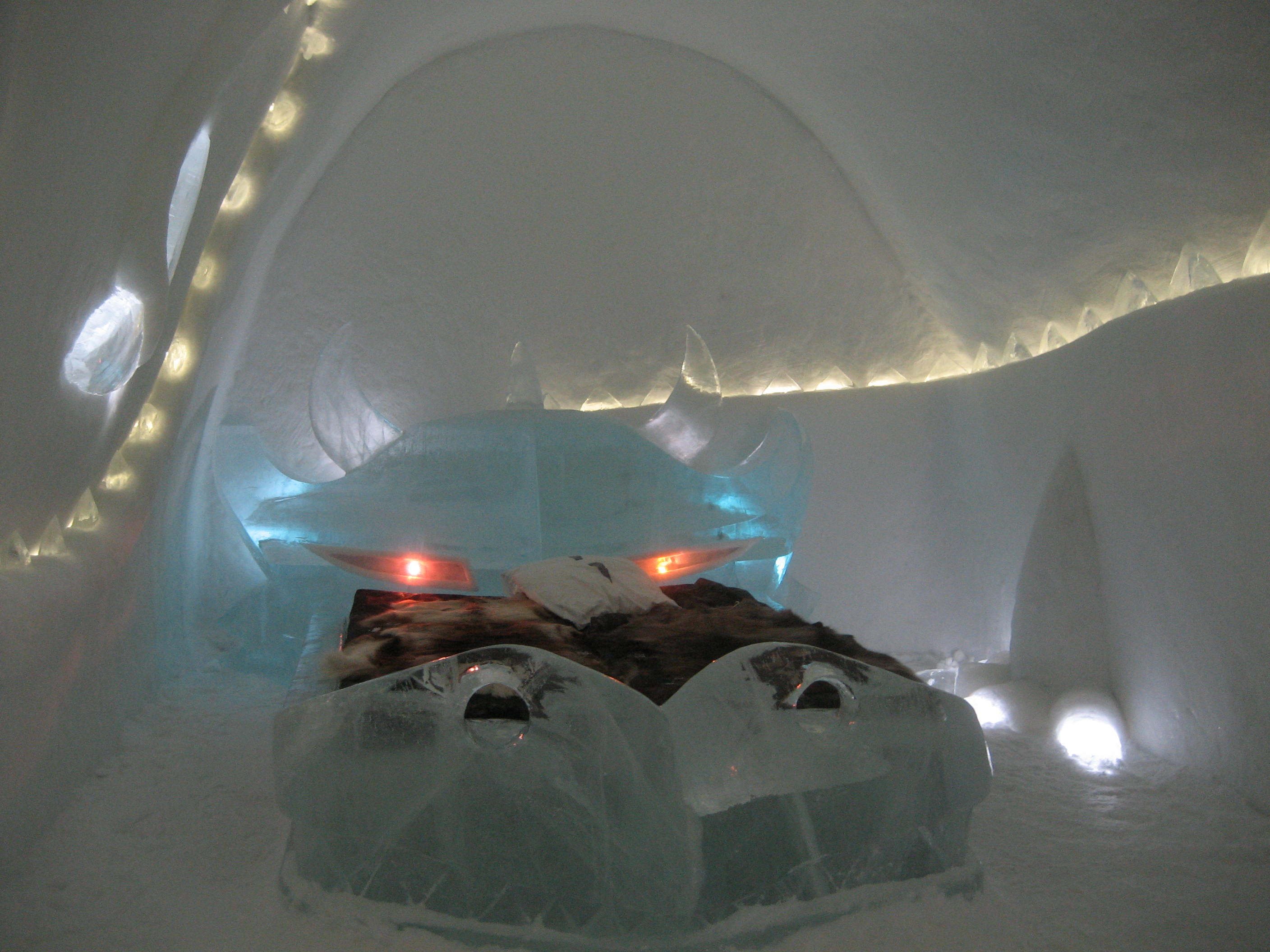
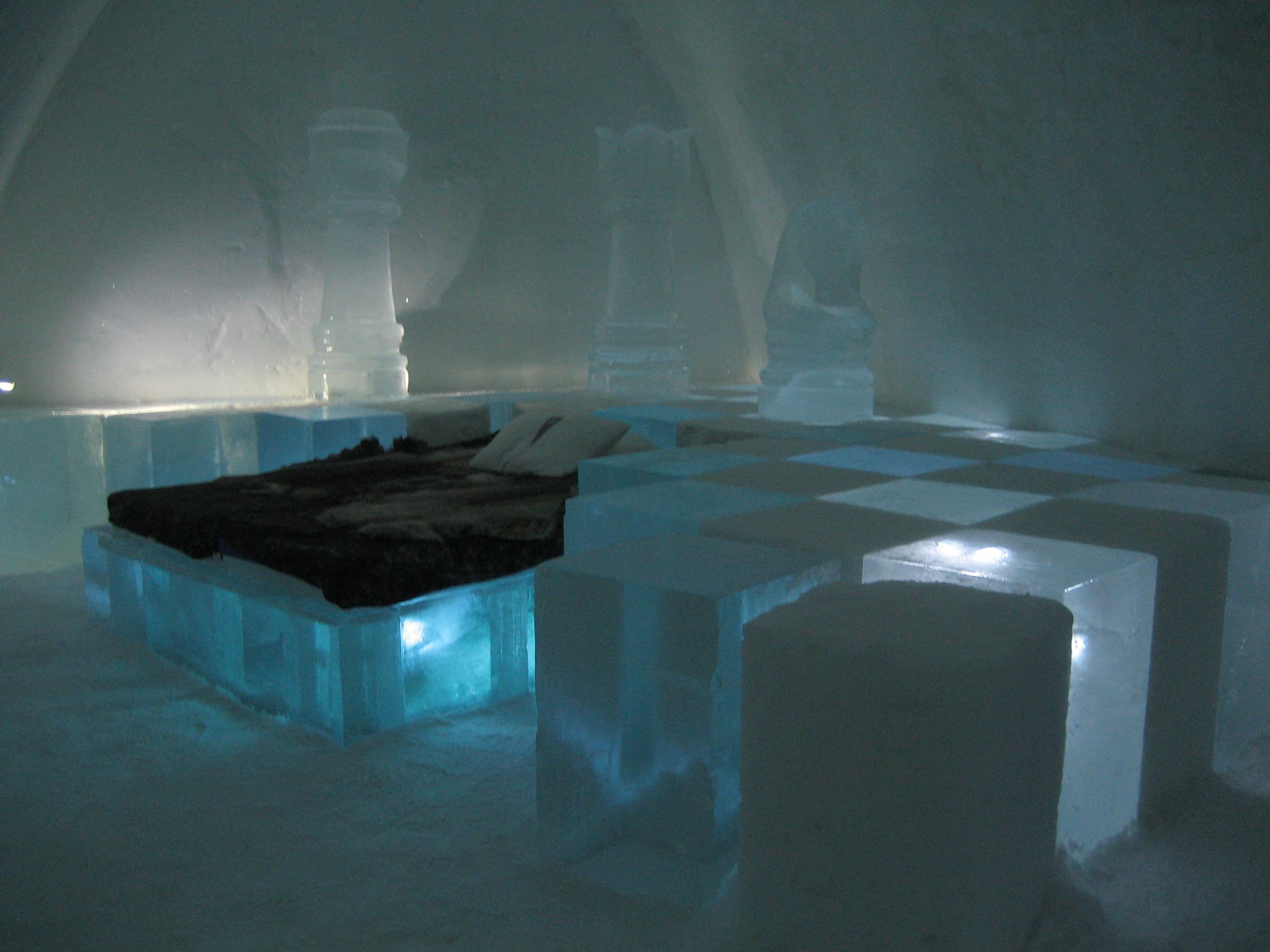
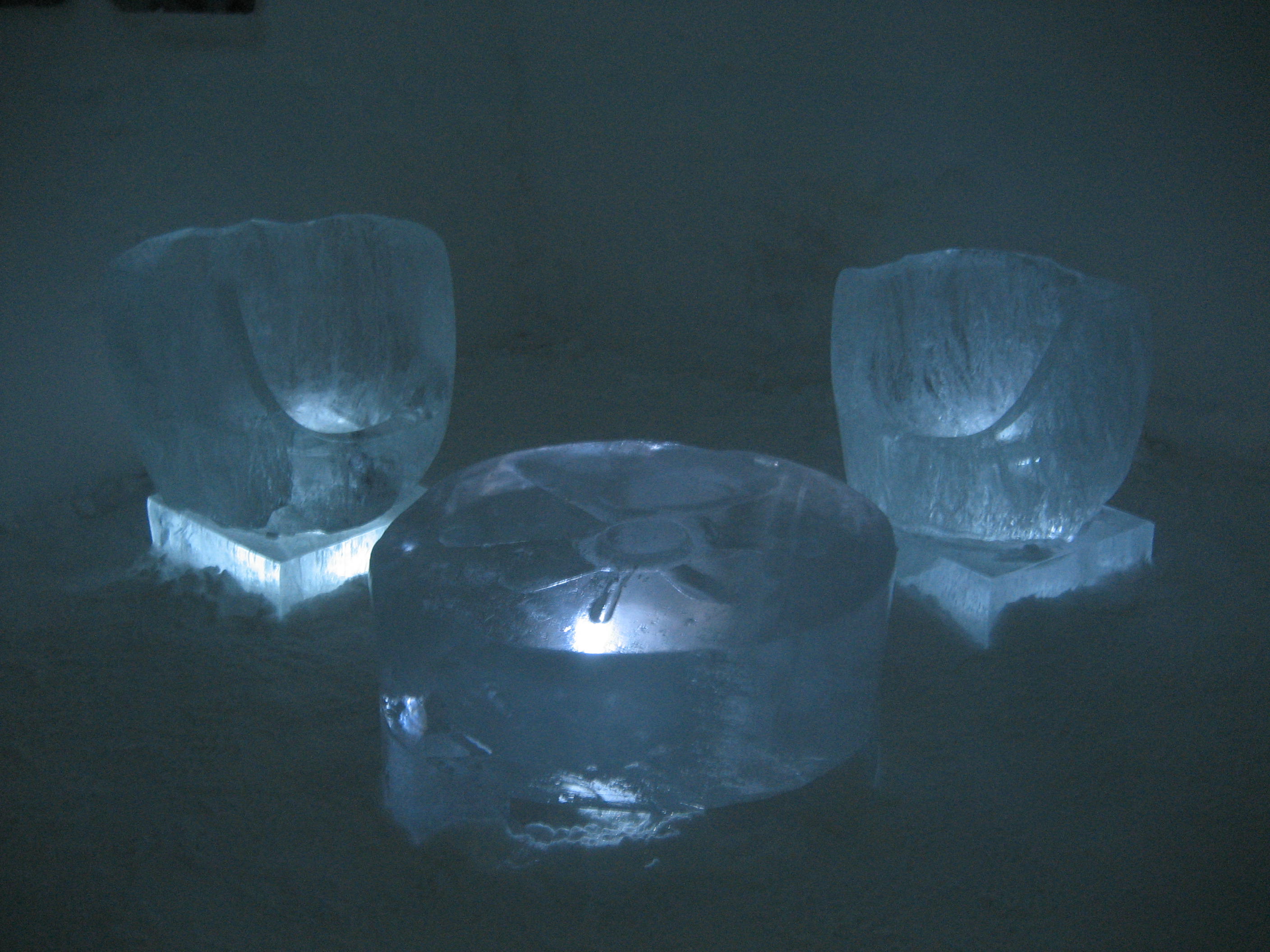
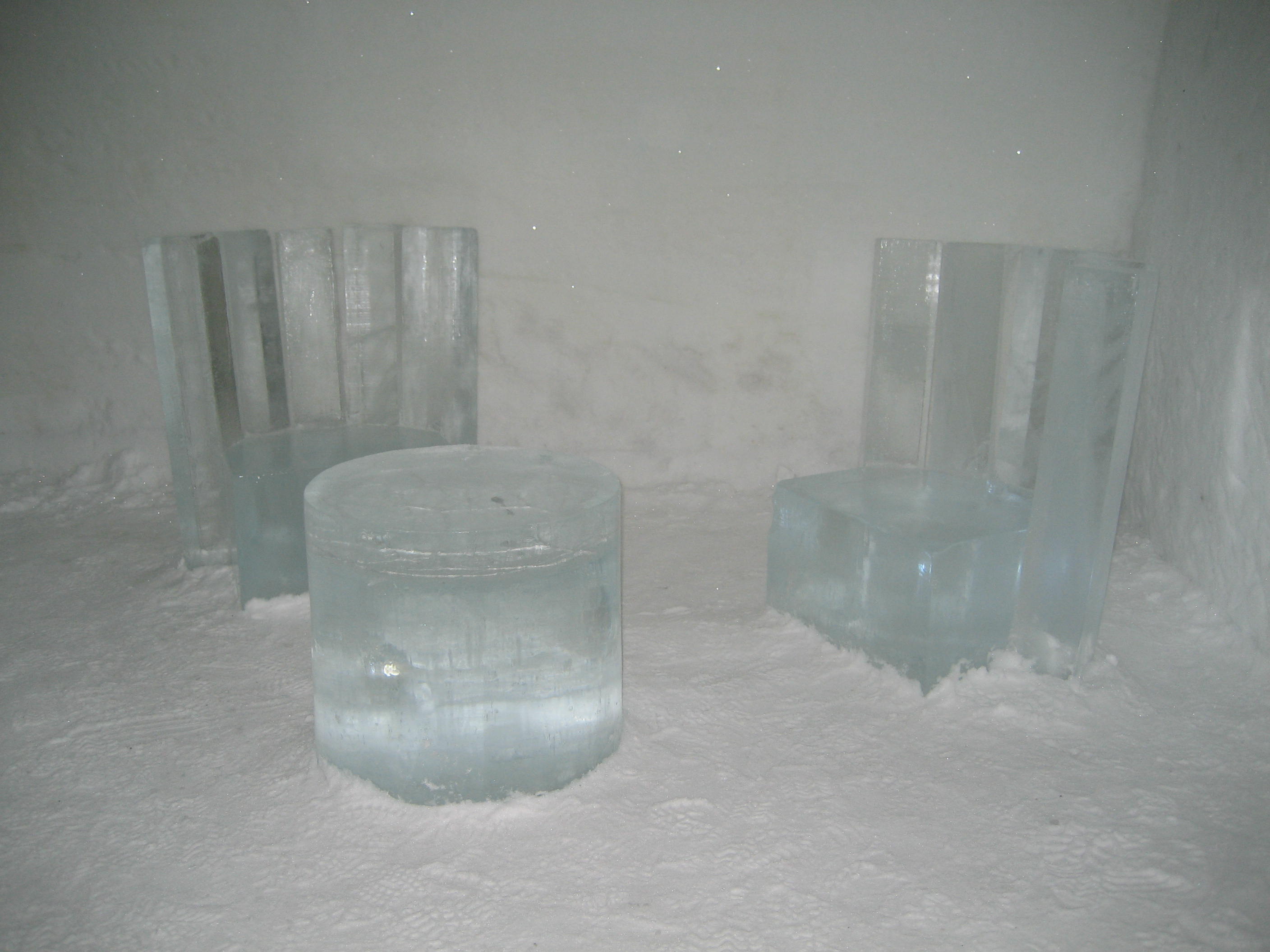
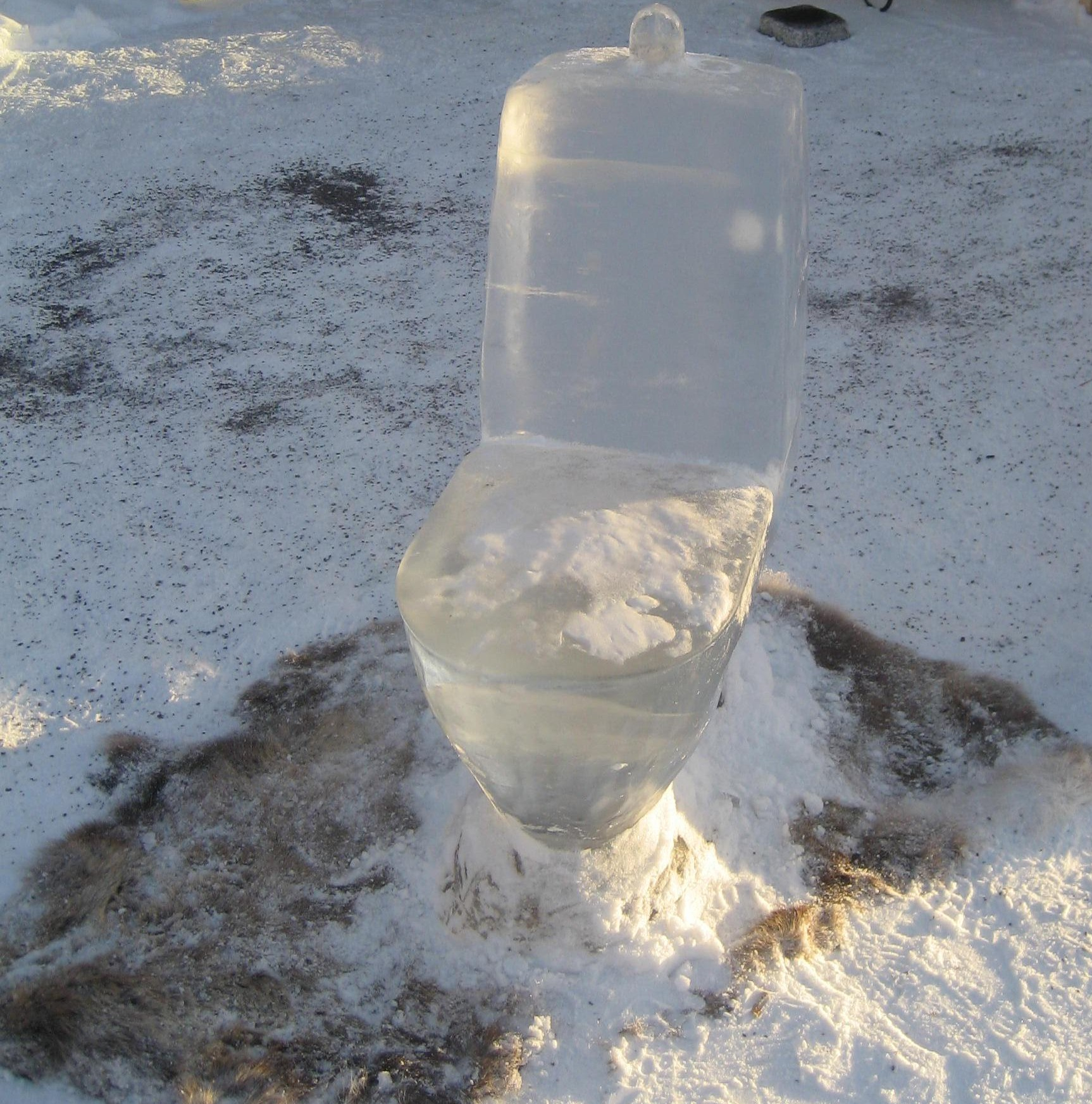 Final photo is an ice toilet!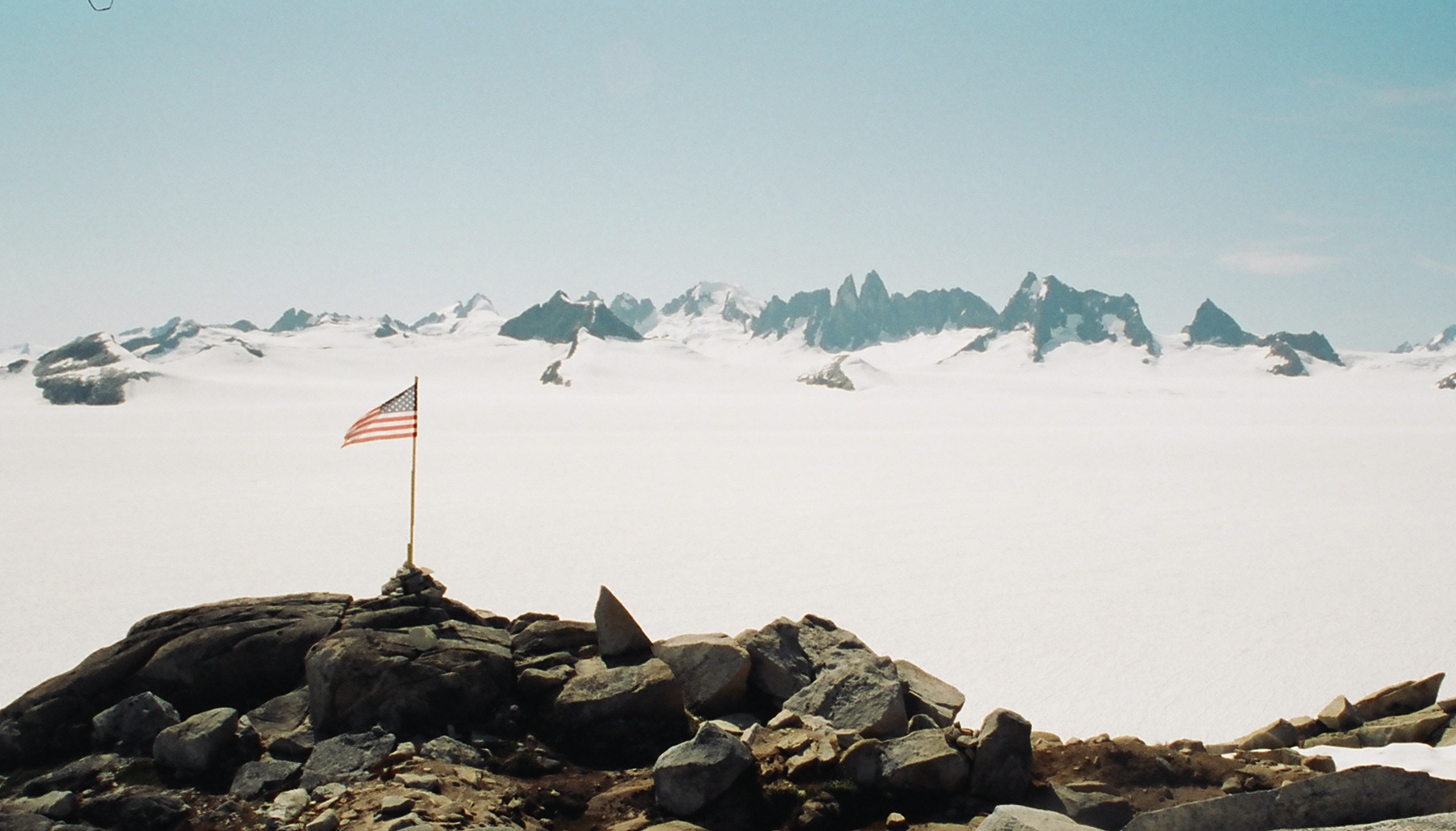
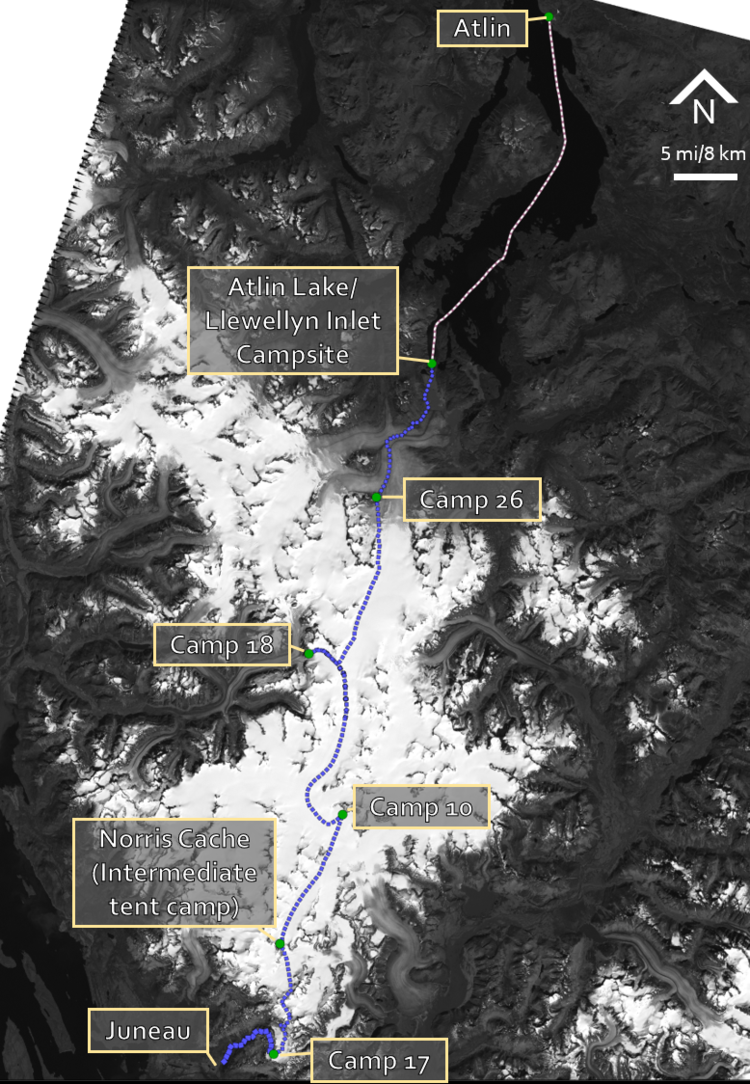
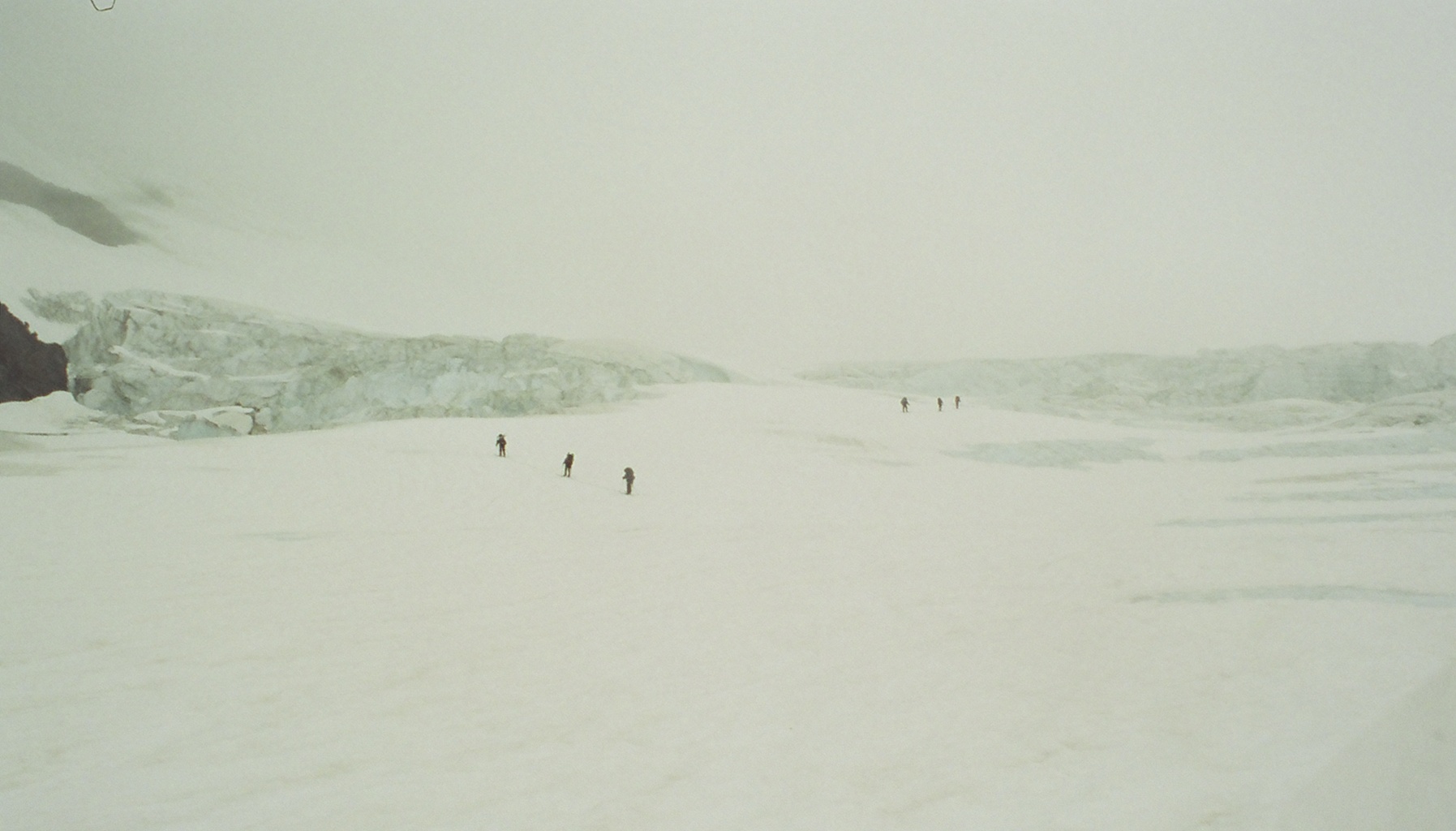 Skiing between Camps in July 2003 taken by David Cheung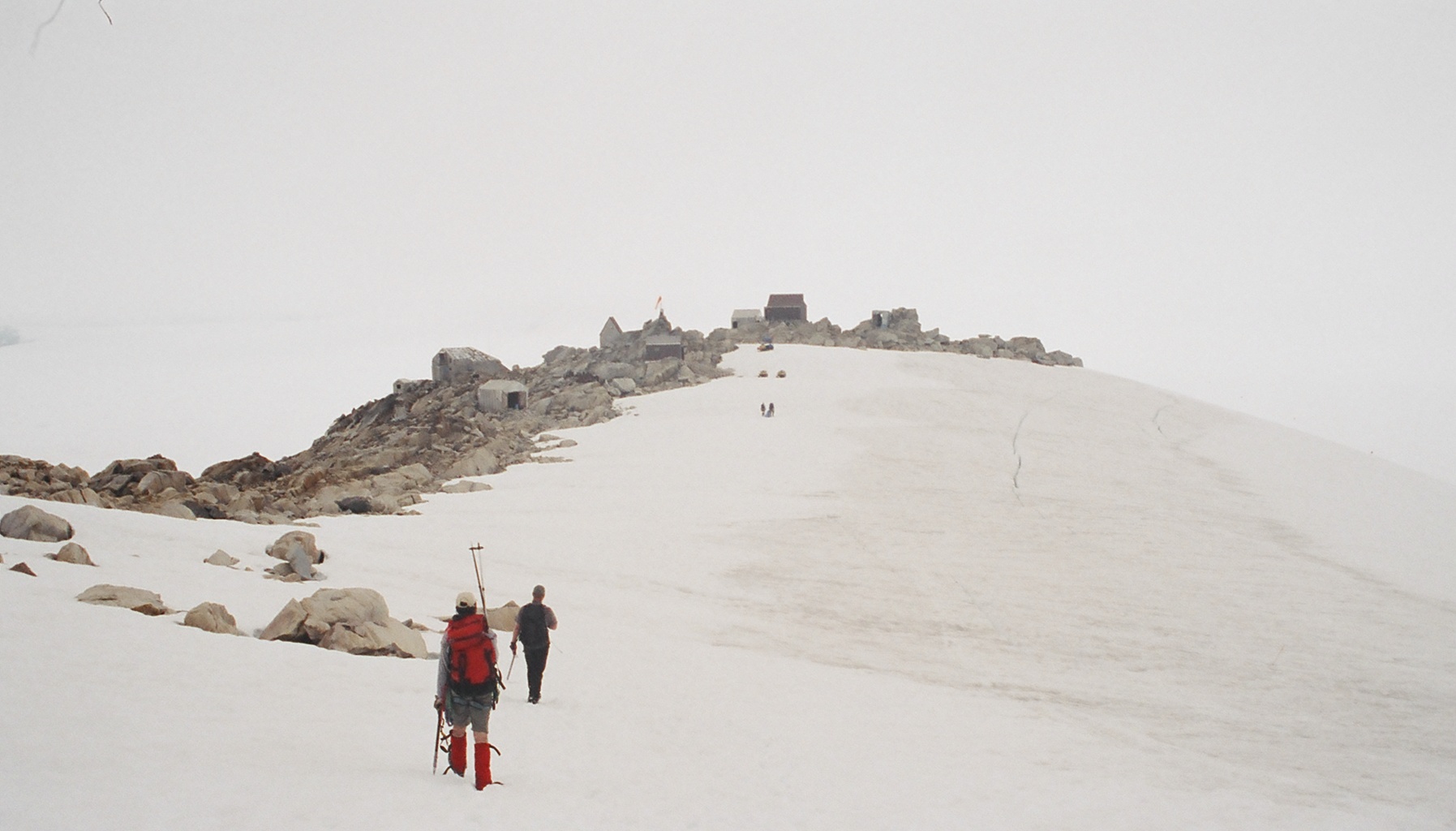
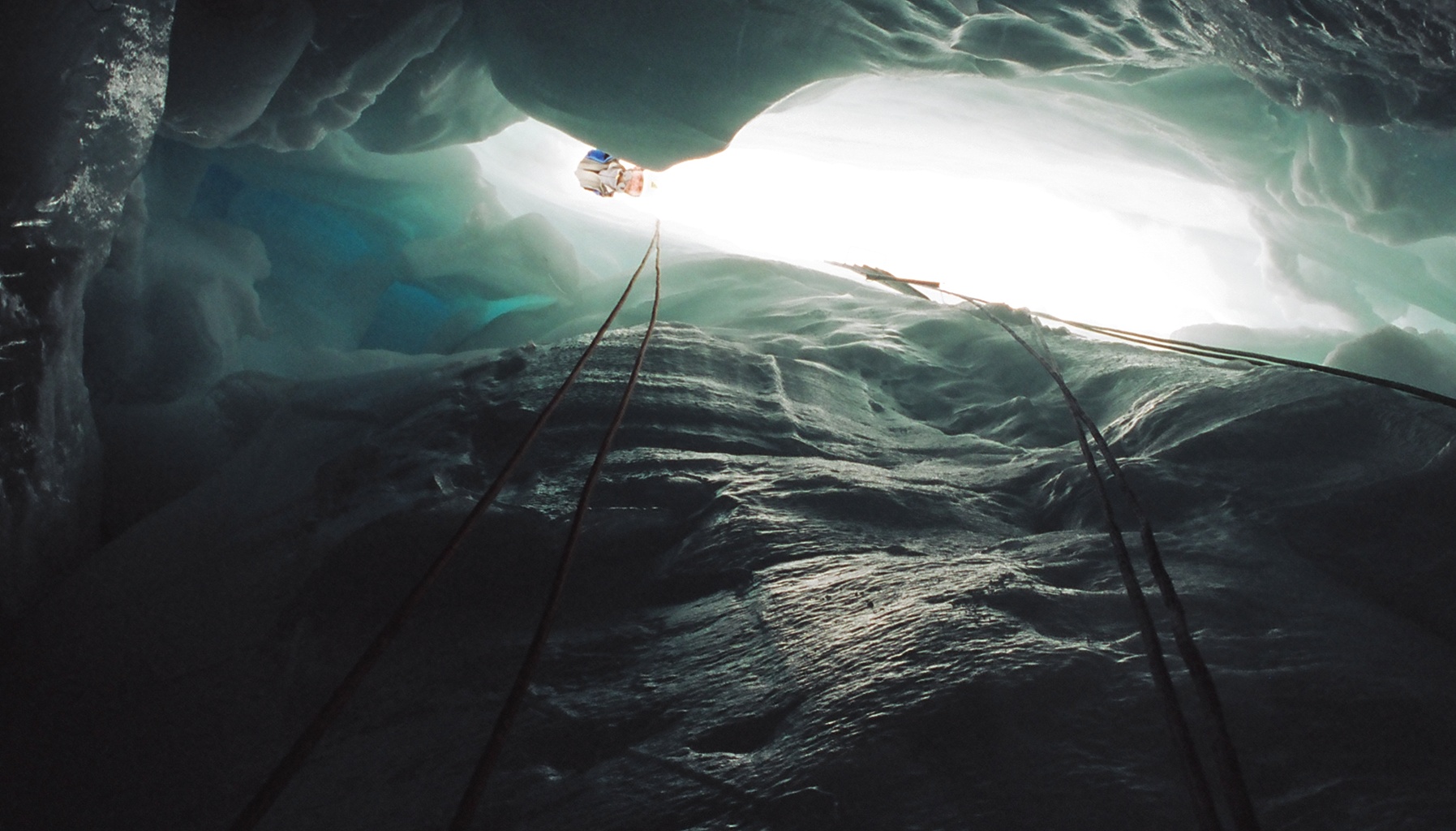 Picture taken from inside the crevasse by David Cheung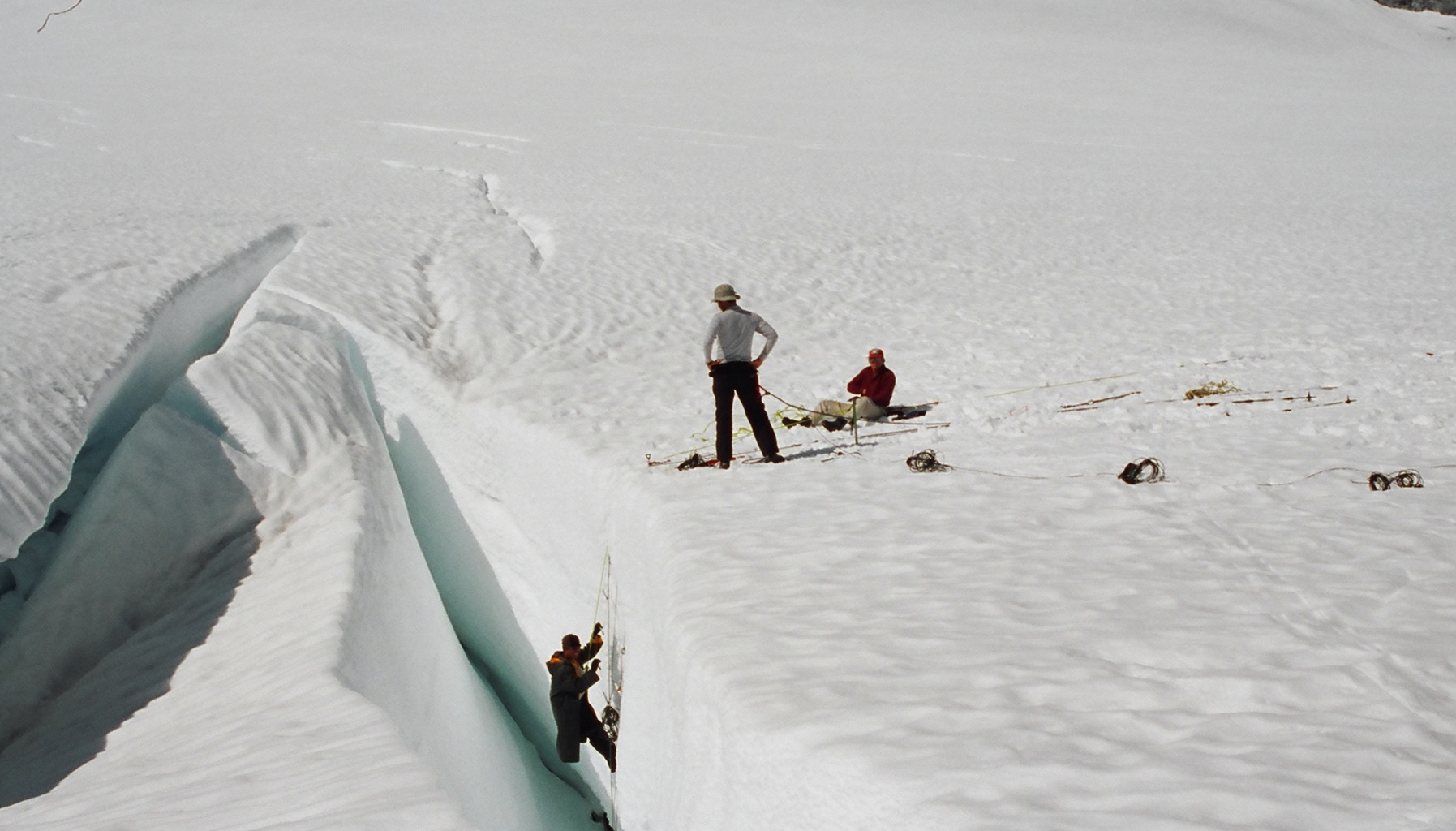
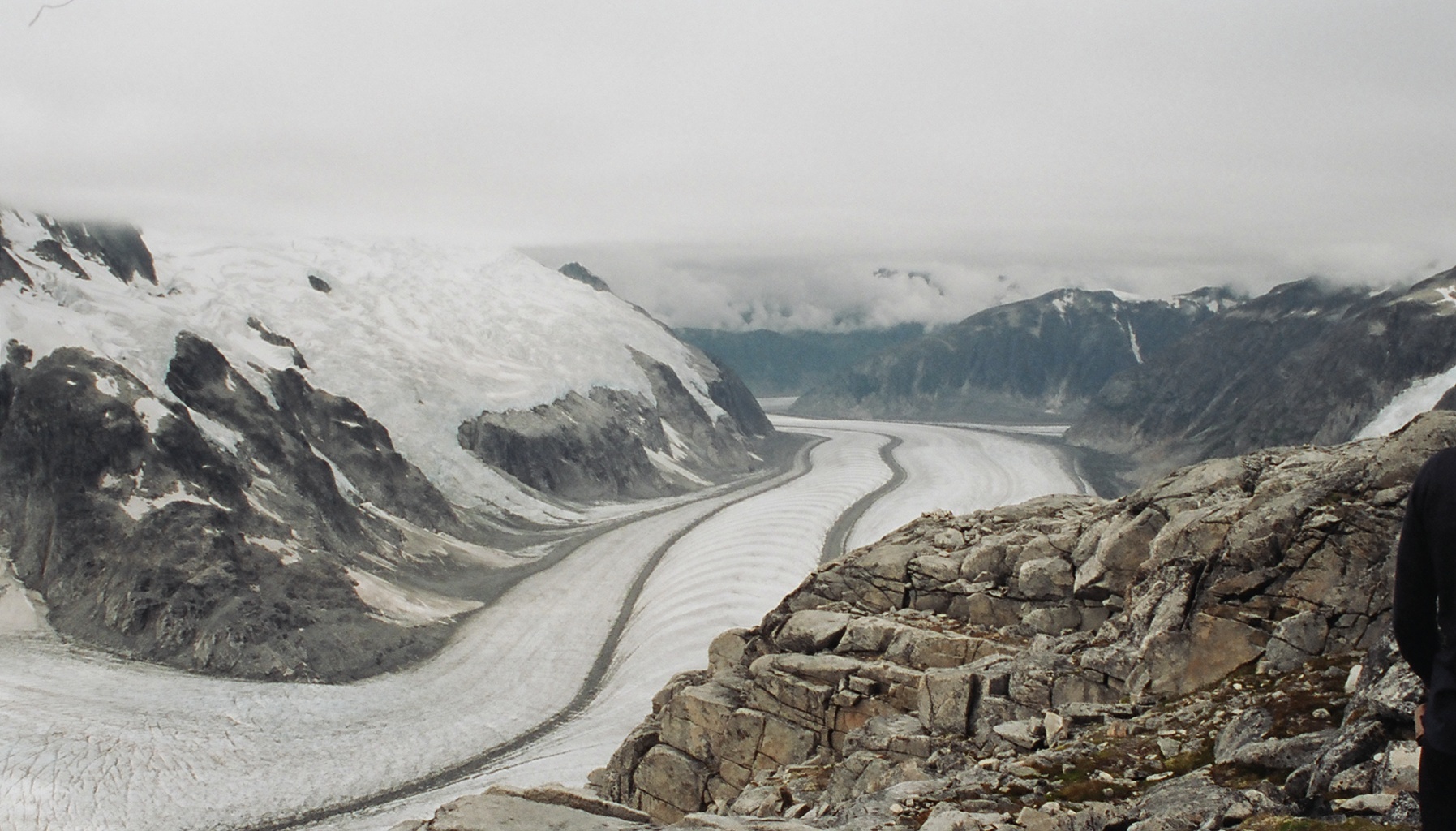 Camp 18 overlooking the Gilkey Trench taken by David Cheung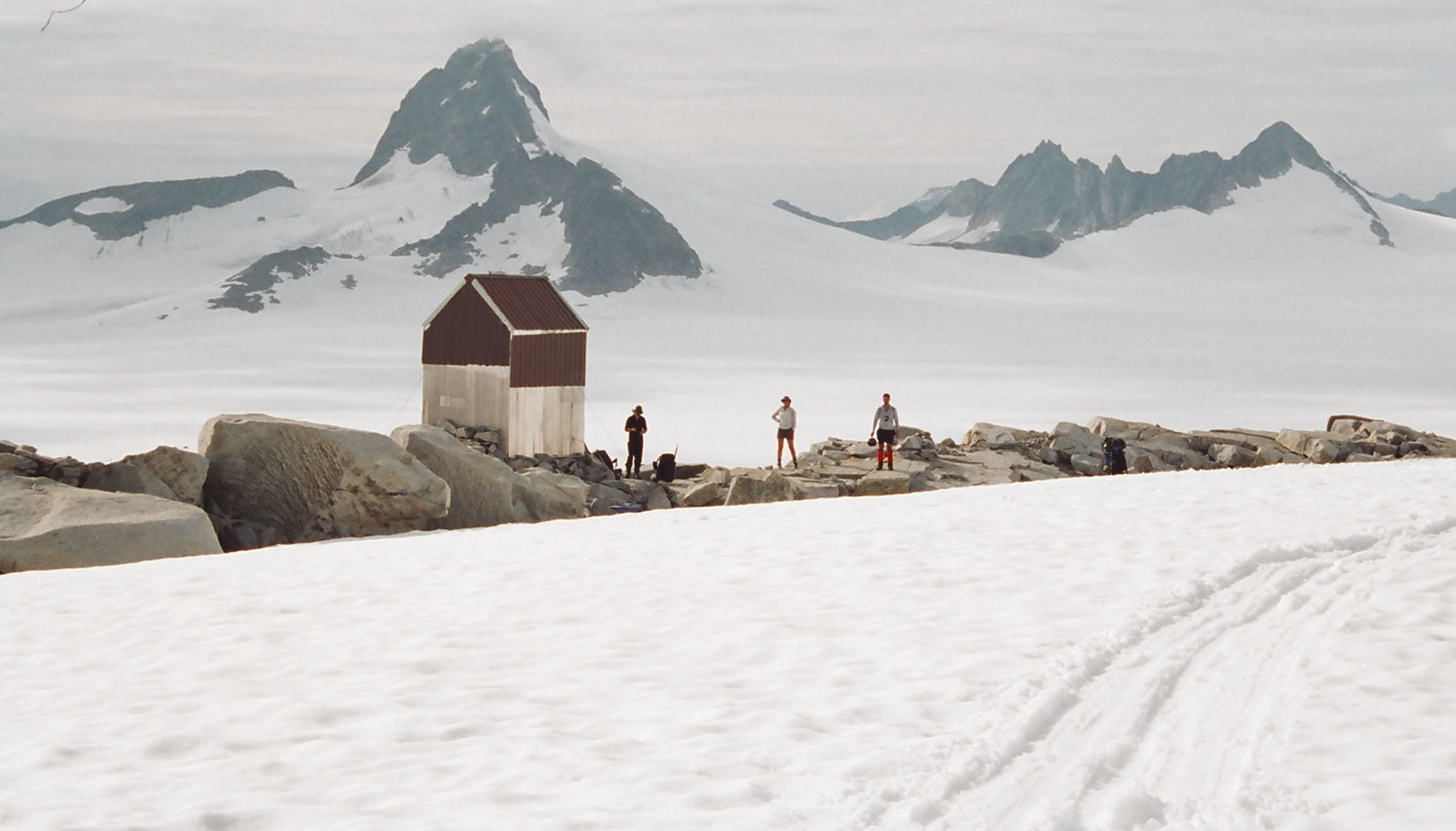
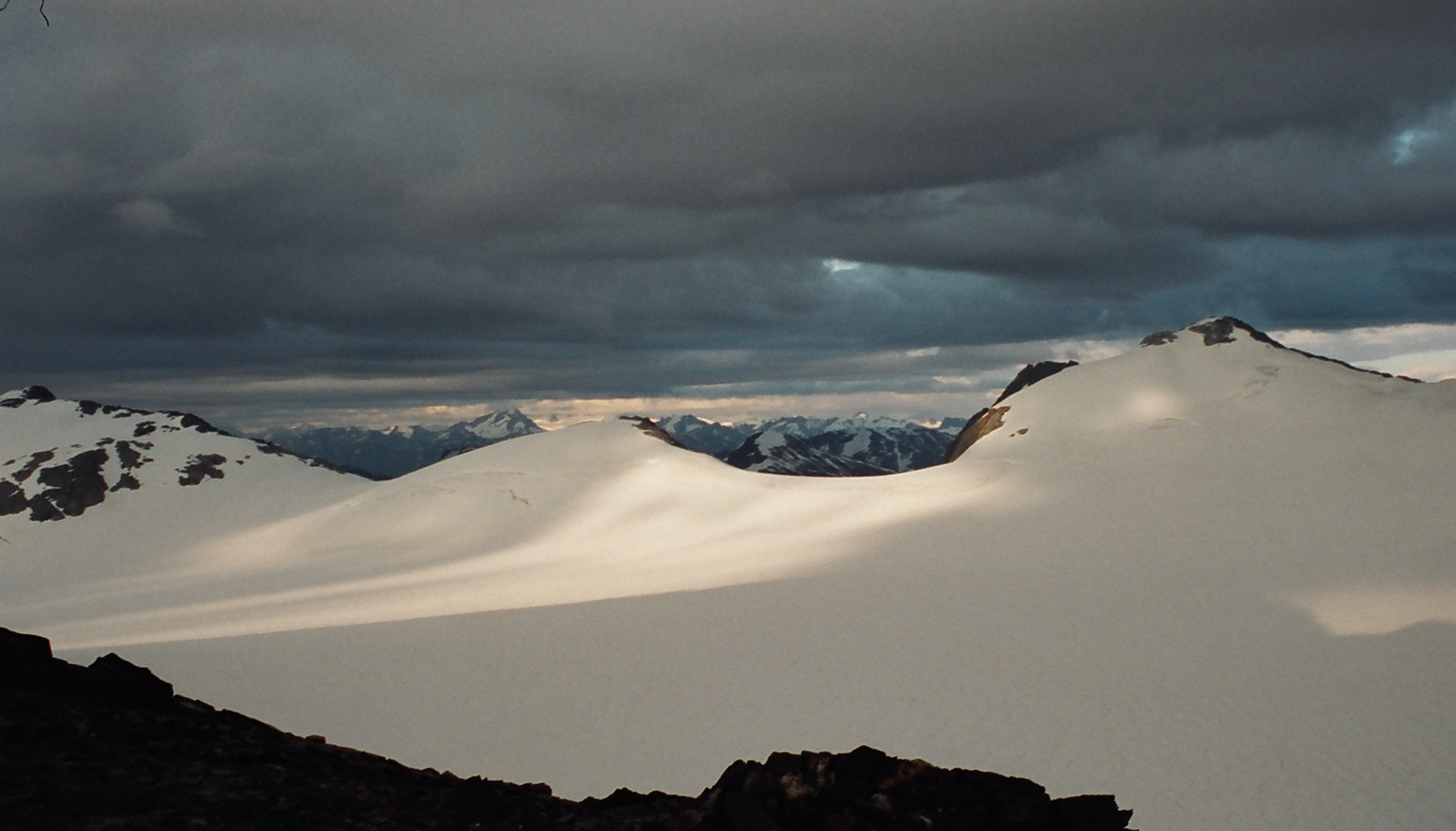 Juneau Icefield Sunset taken by David Cheung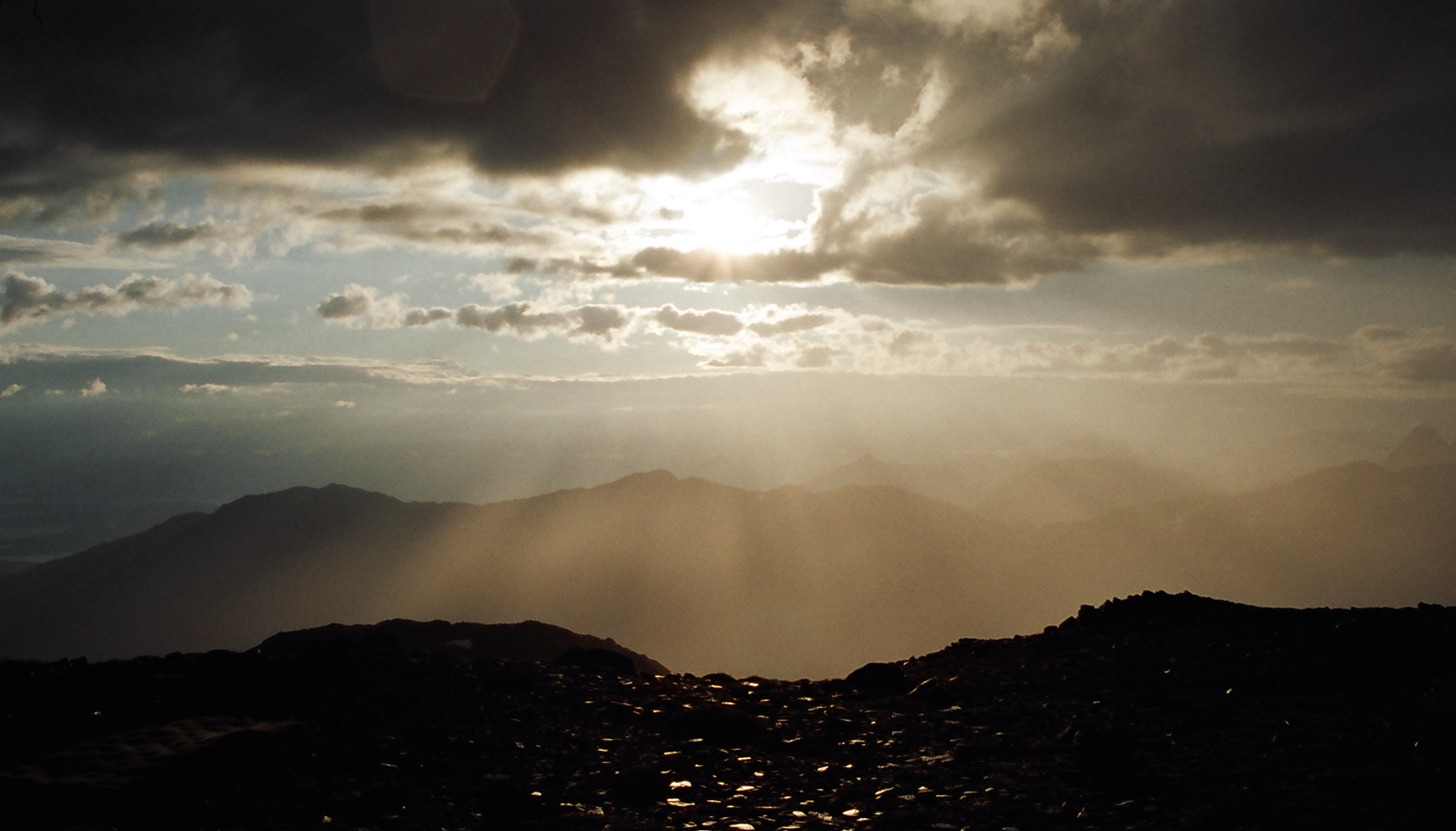
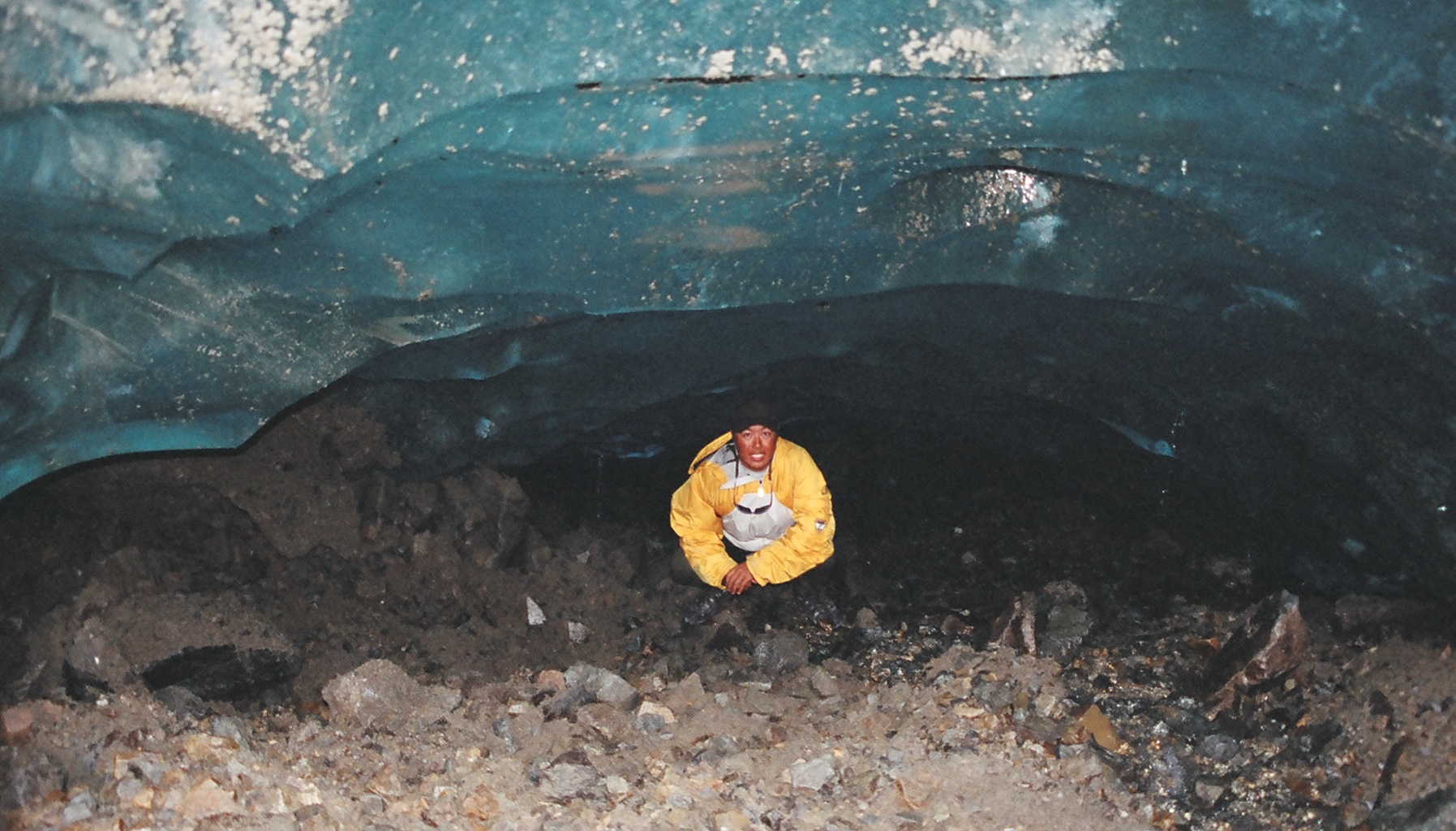 Ice caves north of Camp 26 on the Juneau Icefield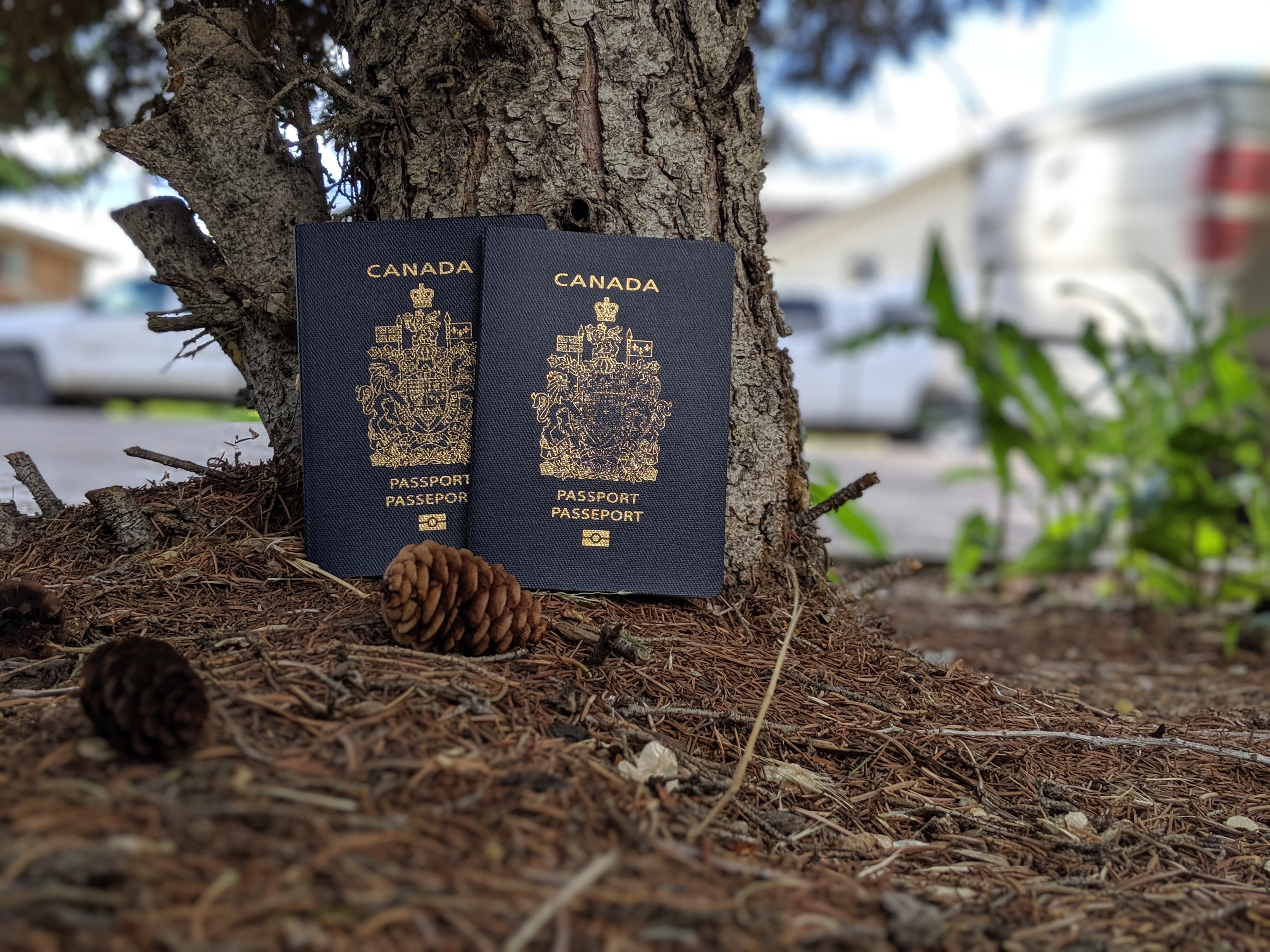
 Dave's Travel Blog